
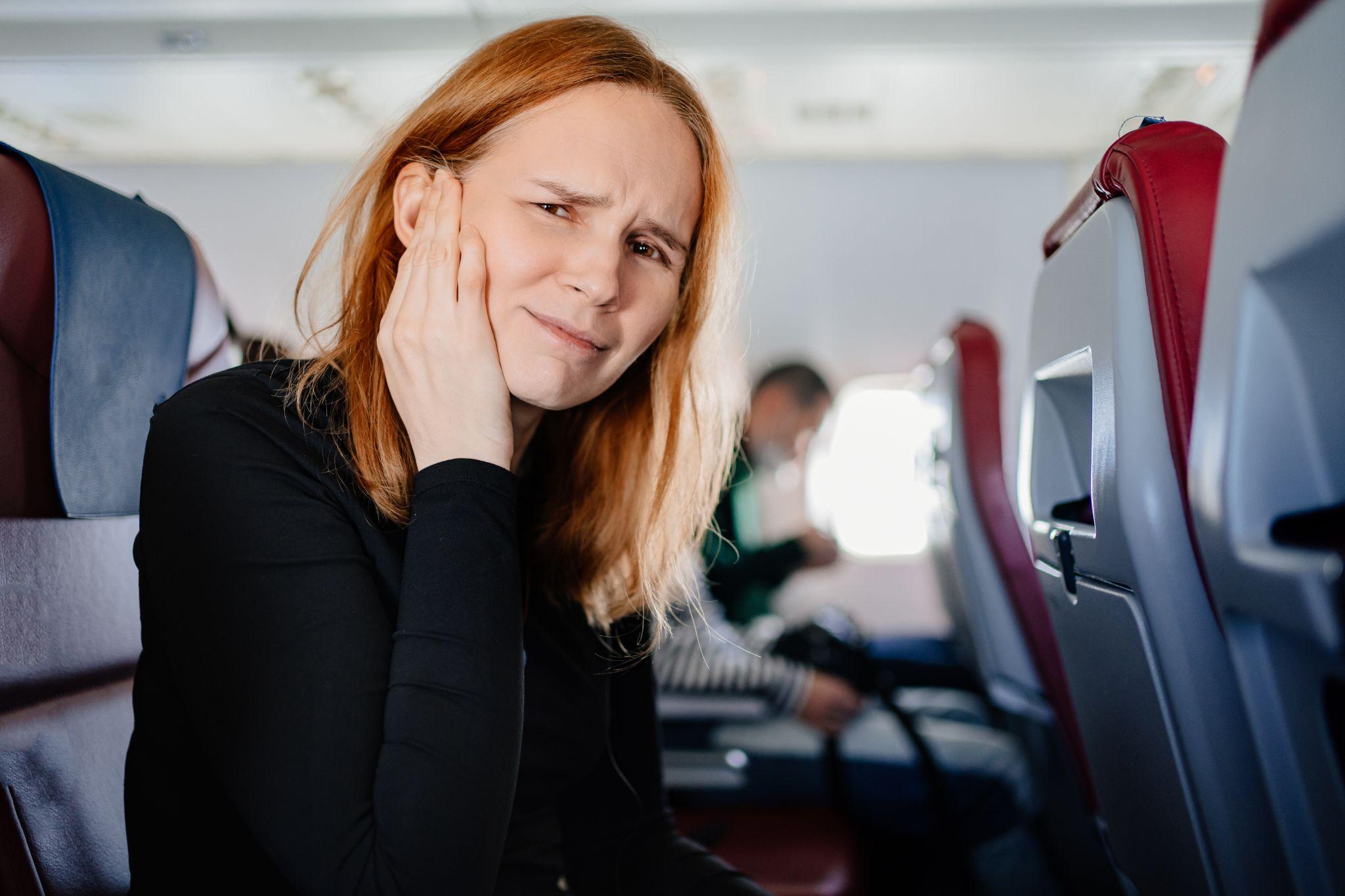
Flying is an exciting way to travel, whether you’re heading on vacation, visiting family, or traveling for business. However, many travelers experience an uncomfortable sensation known as airplane ear, where pressure in the ear builds during a flight. For some passengers, this can cause pain, muffled hearing, or the feeling that their ears hurt in flight.
Learning how to relieve inner ear pressure and understanding why it happens can help make your travel experience more comfortable. Below, we explain what causes airplane ear, how to prevent it, and what to do if symptoms continue after your flight.
What Is Airplane Ear?
Airplane ear, also called ear barotrauma, occurs when there is an imbalance between the air pressure in your middle ear and the air pressure around you. The middle ear is the air-filled space behind your eardrum that helps transmit sound and maintain balance.
When pressure outside your ear changes quickly, your middle ear may not adjust fast enough. This can lead to discomfort, hearing changes, or the feeling that your ears need to pop. Many people refer to this relationship between flying and ear pressure as air plane ears.¹
How Air Pressure Changes Affect Your Ears
During a flight, cabin pressure changes as the airplane climbs after takeoff and descends for landing. These changes directly affect your ears.
Your ears contain a small passage called the Eustachian tube, which connects your middle ear to the back of your throat. Its job is to regulate air pressure and drain fluid from the ear.
Normally, the Eustachian tube opens when you swallow, yawn, or chew. These actions allow air to flow through and help relieve pressure in the ear. If the tube does not open properly, pressure builds up and causes discomfort.
Common Symptoms of Ear Pressure While Flying
Most cases of airplane ear are mild and temporary. Common symptoms include:¹
- Feeling like your ears need to pop
- Ear fullness or clogged sensation
- Mild to moderate ear pain
- Muffled or reduced hearing
- Occasional dizziness or balance discomfort
These symptoms typically improve shortly after landing, but they can sometimes last longer if pressure remains trapped in the middle ear.
Tips to Prevent Ear Pressure Before Flying
Taking preventive steps before your flight can reduce the risk of uncomfortable ear pressure.
Use Nasal Decongestants Before Travel
Nasal congestion can interfere with the ear’s ability to equalize pressure. Using a physician-approved nasal decongestant shortly before flying may help reduce swelling in the nasal passages and support proper Eustachian tube function.¹
Avoid Flying When Sick or Congested
Traveling while sick or during active allergy flare-ups increases the risk of ear pressure and discomfort. When possible, avoid flying if you are experiencing significant congestion from a cold, sinus infection, or allergies.¹
Try Pressure-Regulating Earplugs
Special earplugs made for air travel are designed to slow rapid pressure changes in the ear. Wearing them during ascent and descent may help minimize discomfort and reduce the sensation of blocked ears.²
Tips to Relieve Ear Pressure During Takeoff and Landing
Pressure changes can affect the ears during both ascent and descent, with landing often causing the most discomfort. Using the following strategies during takeoff and landing can help relieve airplane ear pressure and support healthy pressure equalization.
1. Swallow Frequently
Swallowing helps open the Eustachian tube and allows pressure in the middle ear to balance. Sipping water or other non-caffeinated beverages can make swallowing easier and more consistent.²
2. Chew Gum or Use Hard Candy
Chewing or sucking stimulates jaw and throat muscles that assist the ears in adjusting to pressure changes. This is especially helpful during descent.¹
3. Yawn or Gently Move Your Jaw
Yawning or slowly moving your jaw side to side can encourage pressure equalization and reduce the feeling of fullness or blockage in the ears.¹
4. Use Pressure-Equalization Maneuvers if Needed
If ear pressure persists during descent, certain pressure-equalization techniques may help open the Eustachian tube. These include the Valsalva maneuver, the Toynbee maneuver, and the Frenzel maneuver. While these techniques can be effective for some travelers, they should always be performed gently to avoid discomfort or potential ear injury.³
5. Stay Awake During Descent
Remaining awake during landing allows you to actively swallow, chew, or yawn. Sleeping during descent may allow pressure to build without relief, increasing discomfort.¹
What to Do If Ear Pressure Lingers After a Flight
Mild ear pressure usually resolves within minutes to several hours after landing. In some cases, symptoms may last a few days while your ears slowly rebalance pressure.
To help relieve lingering symptoms:
- Continue swallowing, yawning, or chewing gum
- Use over-the-counter pain relievers if needed and appropriate
If symptoms worsen or do not improve, medical evaluation may be necessary.
Flying With Congestion, Allergies, or a Sinus Infection
Sinus congestion is one of the most common causes of persistent ear pressure during flights. Swelling and mucus buildup can block the Eustachian tube and prevent normal pressure regulation.
Travelers with seasonal allergies or chronic sinus issues may benefit from managing symptoms before flying. Allergy medications, saline rinses, and physician-guided treatment plans can help reduce the risk of discomfort.
Individuals experiencing active sinus infections may be at higher risk for painful pressure and should consult a healthcare provider if symptoms are severe.
Ear Pressure While Flying With Children
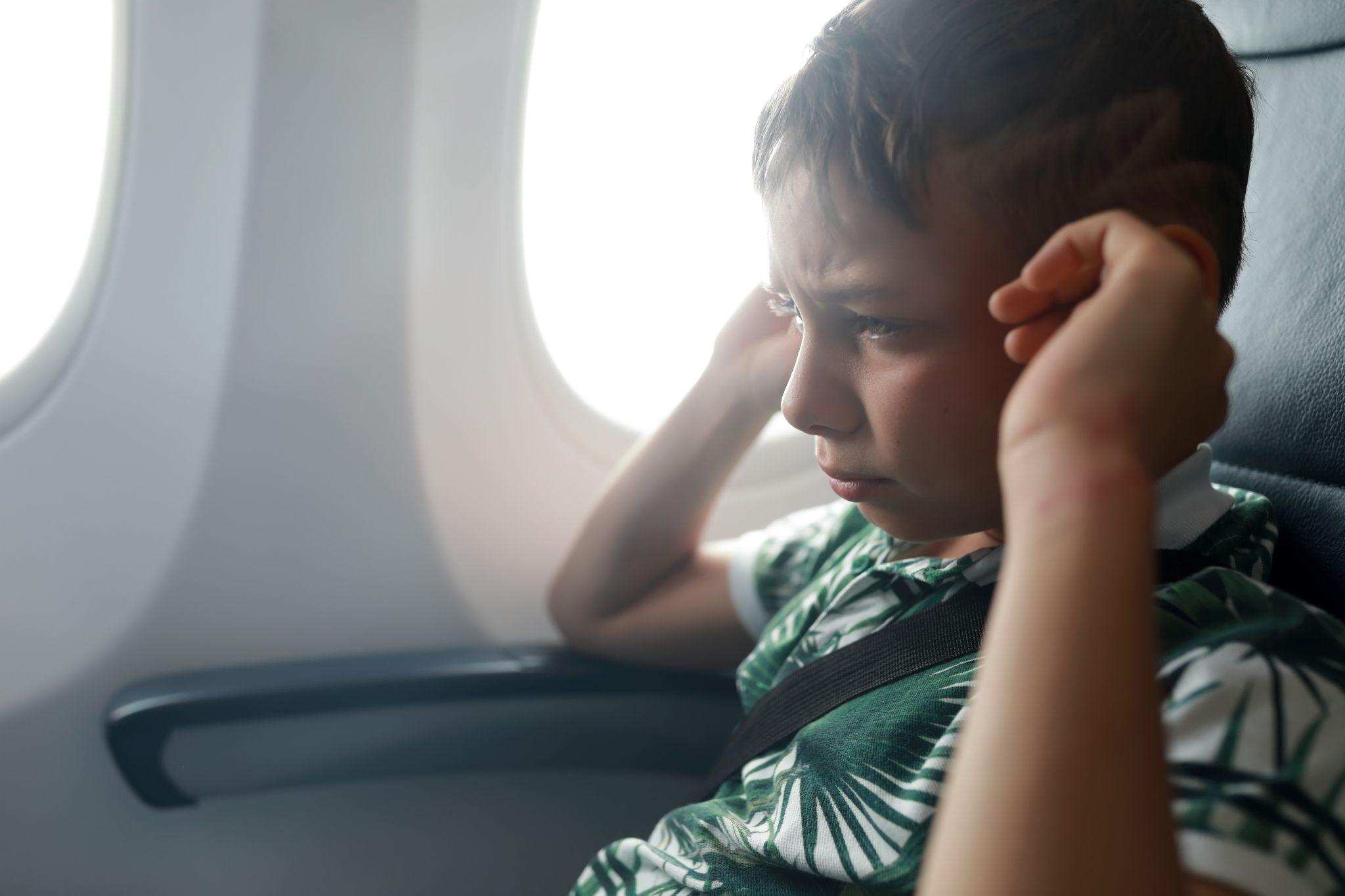
Children are particularly sensitive to flying and ear pressure because their Eustachian tubes are smaller and less efficient at equalizing pressure.
Helpful strategies for children include:¹
- Encouraging nursing, drinking, or bottle feeding during takeoff and landing
- Offering pacifiers to promote swallowing
- Providing age-appropriate gum or snacks for chewing
- Keeping children awake during descent when possible
These techniques help reduce discomfort and support healthy ear pressure balance in young travelers.
When Ear Pressure Is a Sign to See a Provider
Most airplane ear symptoms are temporary and resolve without treatment, but certain signs may indicate the need for medical evaluation.
Consider scheduling an appointment if you experience:¹
- Intense or increasing ear pain
- Fever
- Any discharge or bleeding coming from the ear
Evaluation by an ENT specialist can help identify underlying conditions such as Eustachian tube dysfunction, fluid buildup, or infection.
Frequently Asked Questions
Can flying cause permanent ear damage?
Flying rarely causes permanent ear damage, but complications can occur when pressure changes are severe or unmanaged. In some cases, this may lead to ear infections, hearing changes, eardrum injury, or vertigo.¹
How long should ear pressure last after flying?
Most symptoms improve within hours. Pressure lasting more than a few days should be evaluated by a healthcare provider.
Can I fly if I have pressure in my ears?
You can usually fly with mild ear pressure, but symptoms may worsen during takeoff and landing if congestion or pressure is already present. If ear pressure is severe or accompanied by pain, dizziness, or drainage, it is best to seek medical guidance before flying.
Managing Airplane Ear for Safer, More Comfortable Travel
Airplane ear is a common and manageable travel concern. Understanding why pressure in the ear occurs and knowing how to relieve pressure in the ear can make flying more comfortable and less stressful.
By preparing before your flight, using proven relief techniques during takeoff and landing, and monitoring symptoms afterward, you can protect your ear health while traveling. If symptoms persist or worsen, professional evaluation can help identify the cause and provide effective treatment.
The specialists at ENT & Allergy Associates provide care for airplane ear, sinus congestion, and other ear-related concerns at locations throughout New Jersey, New York, Pennsylvania, and Texas. Schedule an appointment online today to get expert care and travel with confidence on your next flight.
Sources:
- MedlinePlus. Ear Barotrauma.
- WebMD. Ear Barotrauma.
- Medical News Today. How to pop your ears: Nine natural methods.