
Every spring, many residents across Houston notice a fine yellow dust coating their cars, sidewalks, and driveways. Along with it comes sneezing, itchy eyes, congestion, and sinus pressure. If you feel like your symptoms are stronger or last longer than friends in other parts of the country, you are not imagining it. In fact, the Asthma and Allergy Foundation of America ranked Houston, TX, No. 26 on its list of the most challenging places to live with seasonal allergies.¹
Spring allergies in Houston tend to be more intense and more prolonged than in many U.S. cities. Our warm climate, high humidity, and dense tree coverage create the perfect environment for pollen production and circulation.
According to Nerissa D’Silva, MD, a board-certified allergist in the Houston area, oak pollen is one of the biggest drivers of spring symptoms.
“If you see yellow dust covering driveways, roads, and cars in March, that’s oak pollen. It’s the biggest driver of spring allergy symptoms in Houston.”
This guide explains what is in the air, who is most vulnerable, how to tell allergies apart from other illnesses, how to prepare before pollen peaks, and when it may be time to see a specialist.
What Are Spring Allergies?
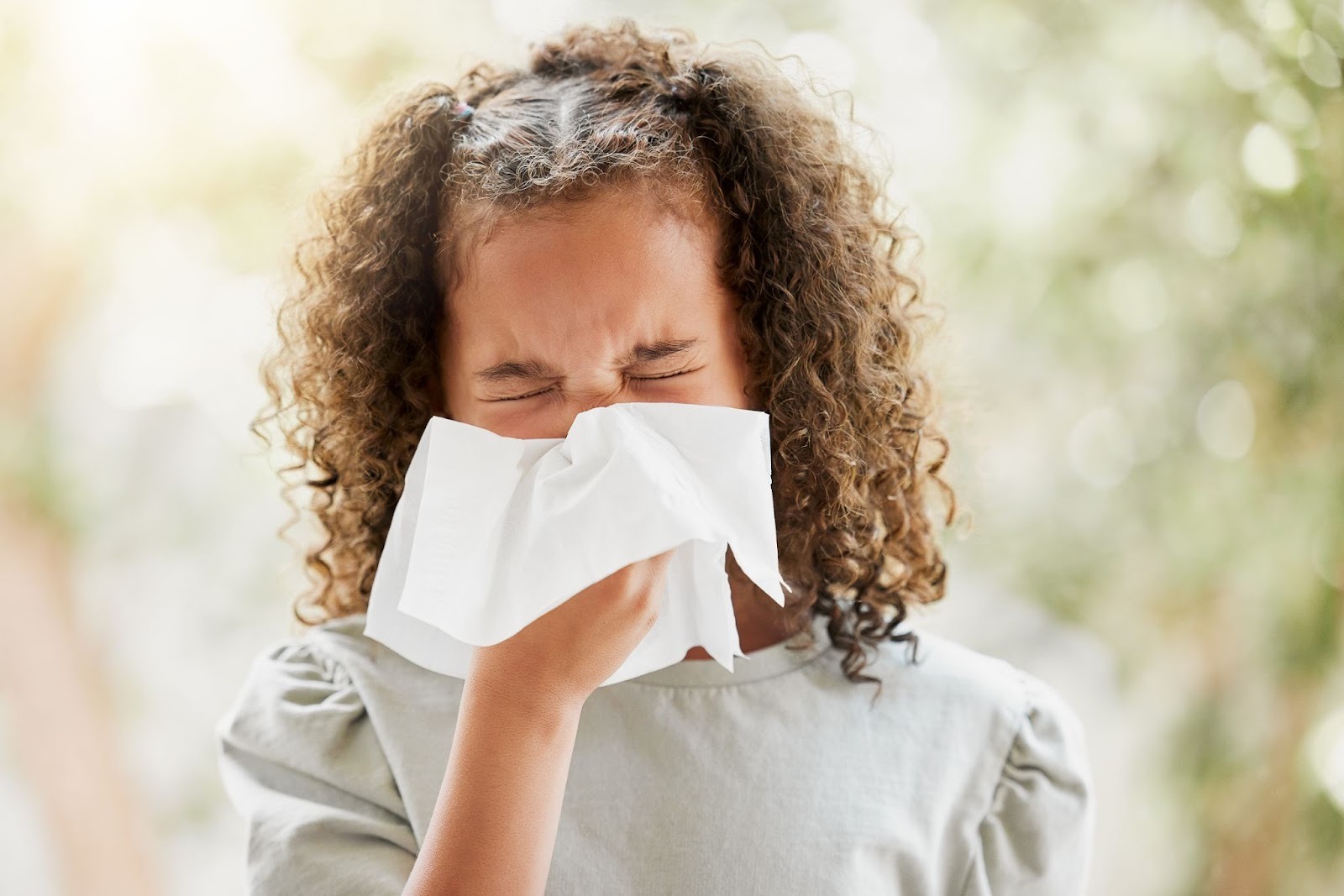
Spring allergies are a form of seasonal allergic rhinitis. They occur when your immune system overreacts to airborne pollen from trees and grasses. When pollen is inhaled, the body releases histamine and other inflammatory chemicals, leading to classic Houston allergy symptoms such as:²
- Sneezing
- Nasal congestion
- Runny nose
- Coughing
- Itchy eyes, nose, or throat
- Dark circles
Unlike year-round allergies triggered by dust mites or pet dander, spring allergies follow a seasonal pattern. In Houston, however, that season often stretches longer than expected due to our climate.
When Does Houston Allergy Season Start?
Houston allergy season typically begins in late winter and intensifies through early spring. Warm temperatures can cause trees to release pollen earlier than in northern climates.
Humidity also plays a role. Moist air allows pollen to linger and circulate rather than dissipate quickly. This means exposure can continue even when visible pollen levels appear to drop.
For many patients, the best strategy is starting medication before pollen counts peak rather than waiting until symptoms are severe.
What Is Causing Spring Allergies in Houston?
The Biggest Tree Pollen Triggers
Several trees are responsible for Houston tree pollen each spring:
- Oak trees
- Cedar elm
- Pecan trees
Oak pollen is especially problematic. It is produced in large quantities and easily carried by wind, coating surfaces across neighborhoods throughout the metro area.
Grasses and Other Contributors
As spring progresses, grasses add to the pollen burden. Common triggers include:
- Bermuda grass
- Timothy grass
- Johnson grass
When tree and grass pollen overlap, symptoms often worsen.
Why Oak Pollen Is So Intense in Houston
Houston’s urban canopy includes large numbers of oak trees. Combined with steady winds and humidity, pollen spreads efficiently across communities.
Allergies tend to be heavier in densely populated cities because buildings trap heat and humidity, which increases allergy levels in Houston.
Even residents who move neighborhoods may not see significant relief, as pollen can travel widely across the region.
Are Certain Houston Neighborhoods Worse for Allergies?
Living near parks, wooded areas, or bayous may increase localized exposure. However, pollen travels easily across the city. Urban heat retention in dense areas can also amplify airborne pollen circulation.
In short, relocating within Houston rarely eliminates spring allergy exposure.
Who Is Most Vulnerable to Spring Allergies in Houston?
People With Asthma
Pollen is a known asthma trigger. During Houston allergy season, asthma flare-ups often increase. Poorly controlled allergies can worsen wheezing, coughing, and shortness of breath.
Children
Children may experience chronic congestion, mouth breathing, and disrupted sleep. Symptoms are sometimes mistaken for recurring colds or behavioral concerns related to poor sleep quality.
Older Adults
Older individuals may have reduced airway clearance or underlying heart and lung conditions that make allergy symptoms more uncomfortable and harder to manage.
Outdoor Workers and Athletes
Those who spend extended time outdoors experience higher cumulative pollen exposure, increasing the likelihood of persistent symptoms.
Seasonal Allergies vs. Sinus Infections vs. Colds
Many upper respiratory conditions share similar symptoms. Understanding patterns helps differentiate them.
Signs of Seasonal Allergies
In Houston, Texas, allergies are typically triggered by environmental allergens and often follow a predictable pattern:²
- Runny nose
- Coughing
- Dark circles
- Itching around the eyes and nose
- Watery eyes
Signs of a Sinus Infection
A sinus infection often develops after congestion blocks normal sinus drainage and may include the following signs:³
- Facial pressure or pain
- Headache
- Sore throat
- Bad breath
- Runny or stuffy nose
- Post-nasal drip
- Cough
Signs of a Cold
A common cold is caused by a virus and usually presents with short-term respiratory symptoms such as:⁴
- Runny nose
- Sore or scratchy throat
- Cough
- Headache
- Mild fever
- Sneezing
Recognizing timing and symptom patterns is often the key to accurate diagnosis.
How to Prepare Before Houston’s Pollen Peaks
Preparing ahead of peak pollen season can help reduce flare-ups and limit symptom severity by focusing on the following strategies:
- Begin nasal steroid sprays before peak pollen counts
- Use antihistamines consistently and correctly
- Monitor local Houston allergy reports
- Schedule allergy testing before symptoms escalate
Proactive management is especially important for patients with asthma.
Practical Ways to Reduce Pollen Exposure
Small lifestyle changes can help minimize indoor pollen levels.
After spending time outdoors:
- Change clothes
- Shower before bed
- Avoid placing worn clothing on furniture or bedding
Pet management:
- Wipe down pets after outdoor activity
- Maintain regular grooming
Indoor air strategies:
- Keep windows closed during peak pollen periods
- Use high-quality air filters
- Maintain HVAC systems regularly
These steps reduce cumulative exposure inside the home.

Managing Persistent or Severe Houston, Texas Allergies
Over-the-counter antihistamines and nasal sprays are effective when used appropriately. However, decongestant sprays should not be overused, as they can cause rebound congestion.
If symptoms begin affecting sleep, school performance, work productivity, or asthma control, additional evaluation may be needed.
For long-term relief, immunotherapy such as allergy shots or sublingual therapy can help retrain the immune system and reduce sensitivity to specific allergens.²
When to See an Allergy Specialist in Houston
You may benefit from specialist evaluation if:
- Symptoms are not controlled with over-the-counter medications
- You experience frequent sinus infections
- Asthma worsens during pollen season
- A child has chronic congestion or mouth breathing
- You want formal allergy testing to identify triggers
Early evaluation can prevent symptoms from escalating and improve overall respiratory health.
Why Spring Allergy Awareness Matters in Houston
Spring allergies are more than a nuisance. They can disrupt sleep, concentration, work productivity, and asthma control. Because Houston’s allergy season is longer and more intense than many regions, early planning is especially important.
With the right prevention strategies and personalized care, residents can reduce flare-ups and breathe easier year-round.
Frequently Asked Questions
What months are allergy season in Houston?
Tree pollen typically rises in late winter and peaks in early to mid-spring. Grass pollen often follows, extending symptoms into early summer.
Why is oak pollen so bad in Houston?
Oak trees produce large quantities of lightweight pollen that spreads easily across neighborhoods, especially during warm, windy days.
Can Houston allergies trigger asthma attacks?
Yes. Pollen is a common asthma trigger and can increase airway inflammation in sensitive individuals.
Are allergies worse near parks or bayous?
Living near wooded or grassy areas may increase direct exposure, but pollen travels widely across the metro area.
Should I start allergy medication before symptoms begin?
Yes. Starting medication before peak allergy levels in Houston often reduces overall symptom severity.
Care Backed by Local Expertise
Spring allergy symptoms often overlap with sinus and respiratory conditions that benefit from specialist evaluation. At ENT & Allergy Associates of Texas, patients receive comprehensive testing, personalized treatment plans, and advanced therapies tailored to Houston-specific allergy patterns.
With convenient access across Texas locations, patients can take control of their symptoms and breathe more comfortably throughout Houston’s extended allergy season. Schedule an appointment online today.
Sources:
Asthma and Allergy Foundation of America. Allergy Capitals.
CDC. Sinus Infection Basics.
MedlinePlus. Common cold.