
Balloon sinuplasty recovery is typically quicker and less uncomfortable than traditional sinus surgery. Most patients return to normal daily activities within one to two days, although full healing can take several weeks.¹
This guide explains what to expect after balloon sinuplasty, including the typical recovery timeline, common side effects, aftercare recommendations, and signs that may warrant a call to your doctor.
What to Expect Immediately After Balloon Sinuplasty
Balloon sinuplasty is a minimally invasive sinus procedure used to open blocked sinus passages and improve drainage. Unlike traditional sinus surgery, the procedure does not involve removing bone or tissue.
Most patients go home the same day.
Immediately after the procedure, it is normal to experience:¹
- Mild nasal congestion
- Light bleeding or spotting
- Temporary sinus pressure
- Nasal drainage
- Mild fatigue
Some patients also notice numbness or grogginess as local anesthesia or sedation wears off.
Although symptoms may feel similar to a mild sinus infection at first, most people improve steadily over the following days.
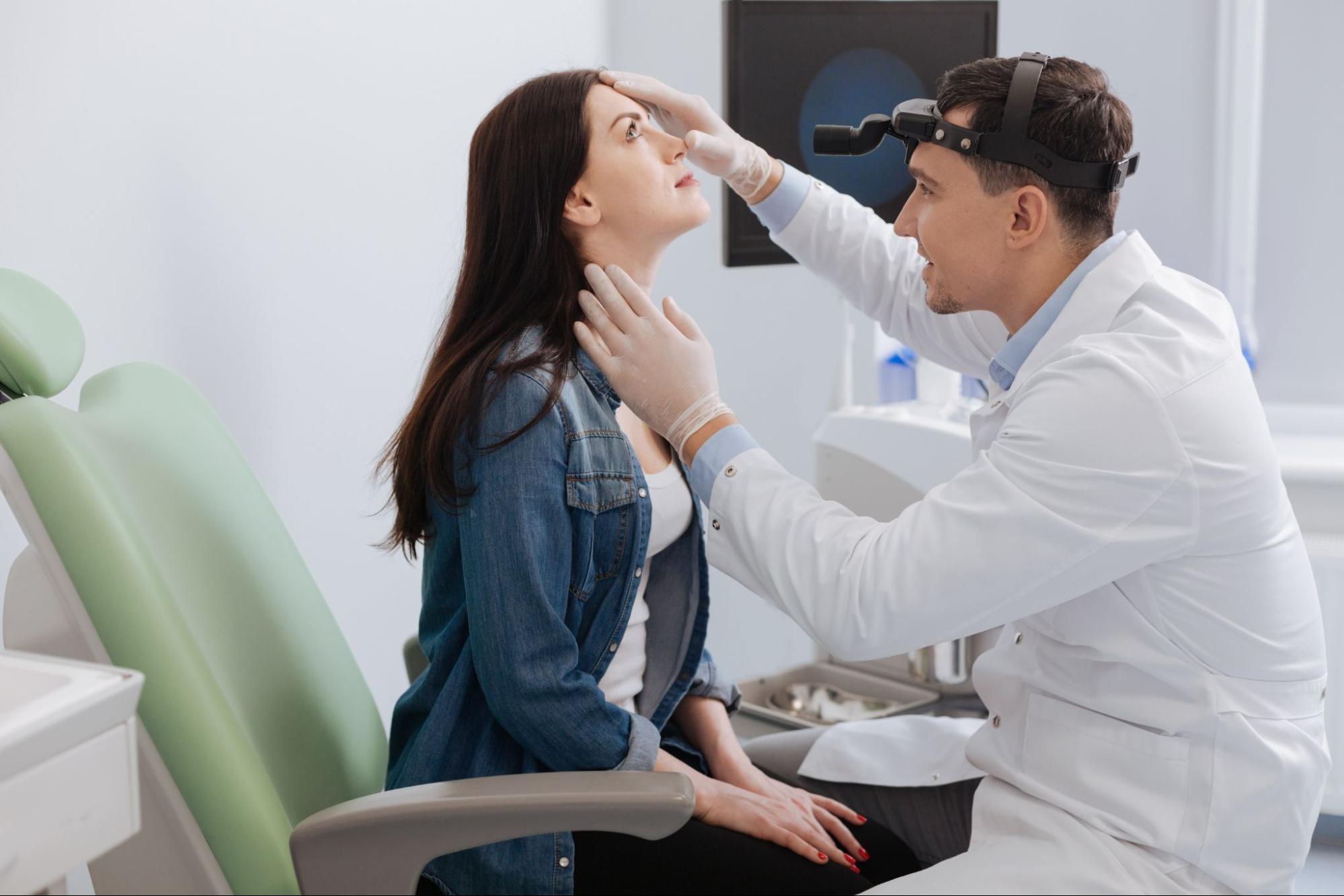
Balloon Sinuplasty Recovery Timeline
Healing after balloon sinuplasty happens gradually. While many people feel better quickly, the sinuses continue healing internally over the next several weeks.
First 24–48 Hours
During the first one to two days, mild discomfort and congestion are common.
You may experience:¹
- Pressure around the nose or forehead
- Bloody drainage
- Mild swelling
- Fatigue
Most patients are advised to rest and avoid strenuous activity during this period.¹
Many people can return to desk work or light daily activities within 24–48 hours depending on how they feel.
First Week
During the first week, swelling inside the nose and sinuses gradually decreases.
You may continue to notice:
- Mild congestion
- Occasional drainage
- Temporary pressure
- Crusting inside the nose
Breathing often begins to improve noticeably during this stage.
Most patients are able to resume their regular routines, although strenuous exercise may still be limited depending on the doctor’s instructions.¹
Weeks 2–4
Over the next several weeks, the sinus tissues continue healing and inflammation decreases further.
By this point, many patients notice:
- Easier breathing
- Less sinus pressure
- Reduced congestion
- Improved sinus drainage
- Fewer sinus symptoms overall
Full healing time varies from person to person, but significant improvement is often noticeable within a few weeks.
Balloon Sinuplasty Aftercare Tips
Following proper aftercare instructions is an important part of recovery.
Use Saline Rinses and Nasal Care
Saline rinses help keep the nasal passages moist and clear away mucus, blood, and crusting during healing.
Your doctor may recommend:¹
- Saline nasal sprays
- Saline rinses
- Moisturizing nasal care products
These treatments can improve comfort and support healing, but should always be done with a doctor’s approval
Avoid Strenuous Activity Early On
Heavy lifting, intense exercise, and strenuous activity may increase swelling or bleeding during the first several days after the procedure.
Light walking is usually acceptable, but always follow your doctor’s recommendations.¹
Keep Your Head Elevated
Sleeping with the head slightly elevated may help reduce swelling and improve drainage during the early recovery period.²
Follow Medication Instructions
Some patients may receive medications such as:
- Pain relievers
- Antibiotics
- Steroid nasal sprays
Take medications exactly as prescribed and contact your doctor if side effects occur.
Attend Follow-Up Appointments
Follow-up visits allow the ENT specialist to monitor healing and clear away any crusting or inflammation if needed.
These appointments are an important part of ensuring proper recovery.
When to Call Your Doctor
While complications are uncommon, some symptoms should be evaluated promptly.
Contact your doctor if you experience:
- Fever
- Worsening pain instead of improvement
- Heavy or persistent bleeding
- Severe swelling
- Difficulty breathing
- Thick foul-smelling drainage
- Lack of improvement after the expected recovery period
These symptoms could indicate infection or another complication requiring medical attention.

How Balloon Sinuplasty Recovery Compares to Traditional Sinus Surgery
Many patients choose balloon sinuplasty because of its shorter recovery timeline compared to traditional sinus surgery.
Key differences may include:³
Balloon Sinuplasty | Traditional Sinus Surgery |
Minimally invasive | More extensive procedure |
No tissue removal | Tissue or bone removal may occur |
Faster recovery | Longer recovery period |
Less discomfort | More postoperative discomfort |
Lower bleeding risk | Higher bleeding risk |
Because the procedure preserves much of the normal sinus tissue structure, healing is often quicker and more comfortable for many patients.
Frequently Asked Questions
How long does balloon sinuplasty recovery take?
Most patients recover enough to return to normal activities within one to two days, although full healing may take several weeks.¹
Is balloon sinuplasty painful?
Balloon sinuplasty is generally considered less painful than traditional sinus surgery. Mild pressure, congestion, and soreness are common during recovery but usually manageable.¹
When can I return to work after balloon sinuplasty?
Many patients return to work within 24–48 hours, especially for non-physical jobs. Recovery time may vary depending on the individual and the type of work performed.¹
What are the most common side effects of balloon sinuplasty?
The most common side effects include mild congestion, light bleeding, drainage, fatigue, and temporary sinus pressure.
Find Out if Balloon Sinuplasty Is Right for You
Balloon sinuplasty recovery is generally shorter and more manageable than traditional sinus surgery, making it an appealing option for many people with chronic sinus problems. Most patients experience mild symptoms and return to regular activities quickly while continuing to heal over the following weeks.
If chronic sinus pressure, congestion, or recurring infections are affecting your quality of life, an evaluation by an ENT specialist can help determine whether balloon sinuplasty or another treatment option may be appropriate.
The specialists at ENT & Allergy Associates provide comprehensive sinus evaluation and treatment, including minimally invasive sinus procedures.
Find a convenient location in:
Patients can alsobook an appointment online to discuss sinus symptoms and treatment options.
Sources:
- Healthline. What Is a Balloon Sinuplasty?
- Medical News Today. What you should know about balloon sinuplasty.
- Healthline. Sinus Surgery.