
Allergy symptoms do not follow a single calendar date. The timing and severity of seasonal allergies vary based on location, climate, and the specific allergens involved. Understanding how allergy patterns shift throughout the year can help you recognize triggers, anticipate symptoms, and decide when evaluation or treatment may be helpful.
With input from Dr. Debra B. Lebo, a board-certified allergist, this guide breaks down allergy season by time of year, explains why timing varies by region and weather patterns, outlines common seasonal and year-round triggers, and reviews when to consider medical evaluation.
Understanding Allergy Season
Allergy season refers to periods of the year when airborne allergens increase in the environment and trigger symptoms in people who are sensitive to them. The most common triggers during allergy season include pollen from trees, grasses, and weeds.
These pollen types typically peak during different times of the year:
- Tree pollen season often begins in early spring
- Grass pollen season typically peaks in late spring and summer
- Ragweed allergy season usually occurs in late summer and fall
While allergy season is commonly associated with outdoor allergens, indoor allergens such as dust mites, mold, and pet dander can cause symptoms throughout the year.
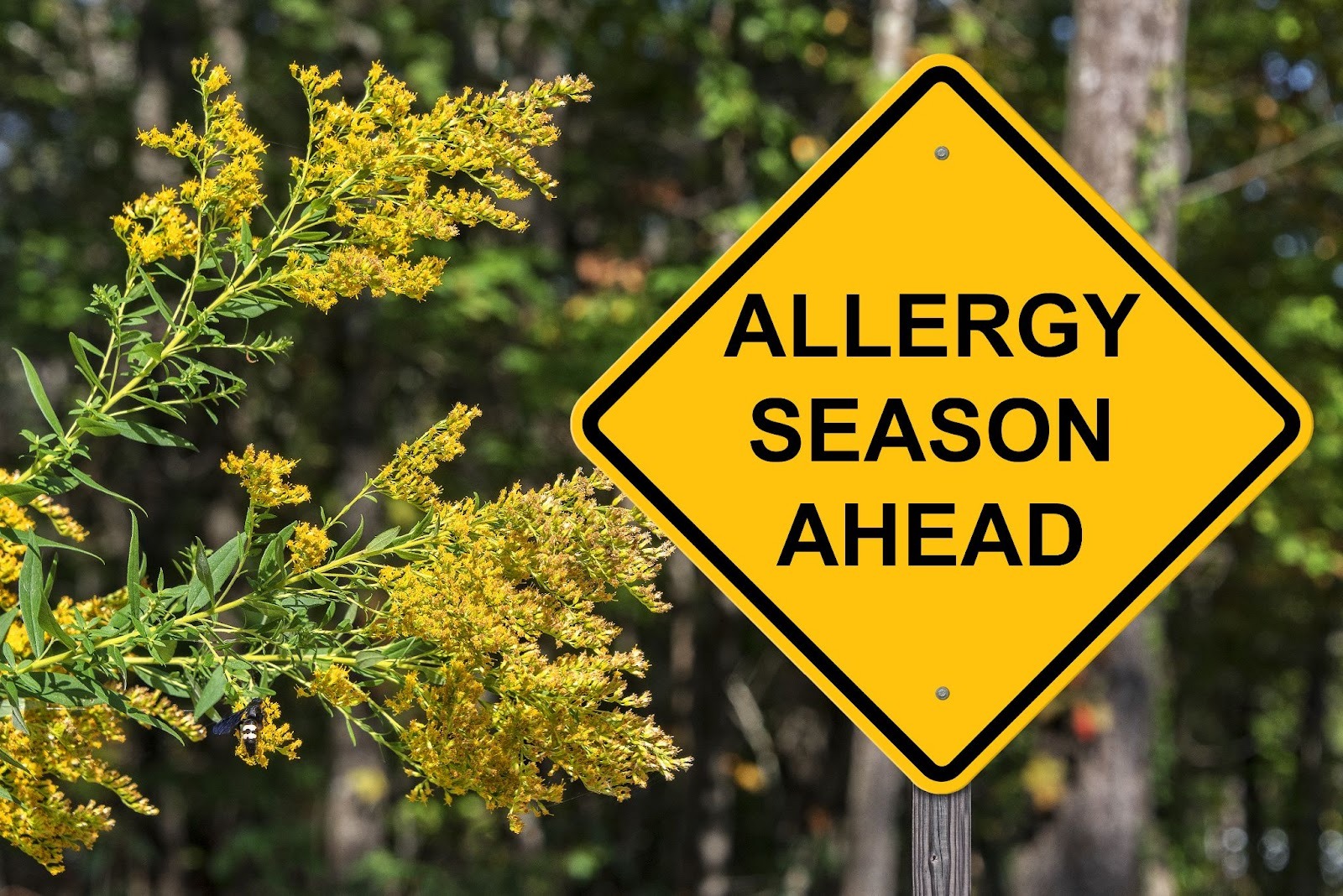
Why Allergy Season Varies Each Year
Allergy season does not occur on the same exact dates each year. Several factors influence when allergens become active and how severe symptoms may be.
Weather patterns play a significant role in determining allergy season by month. Warmer temperatures can cause plants to release pollen earlier, while heavy rainfall may temporarily reduce airborne pollen levels but later contribute to increased plant growth.
Climate and environmental conditions can also influence pollen production. Longer growing seasons and milder winters may extend pollen seasons, leading to longer exposure for individuals with seasonal allergies.
Spring Allergy Season
Spring allergy season, also known as tree pollen allergy season, is often the first major allergy period of the year. It typically begins in late winter or early spring when trees start releasing pollen into the air.
Common trees that produce allergy-triggering pollen include:¹
- Willow
- Horse chestnut
- Birch
- Alder
- Cedar
- Poplar
Because tree pollen is lightweight and easily carried by wind, it can travel long distances and affect individuals even if they are not near trees.
Summer Allergy Season
Grass pollen season typically begins in late spring and continues through early summer.
Common grasses that produce allergy-triggering pollen include:¹
- Timothy grass
- Ryegrass
- Weeds
During summer, outdoor activities may increase exposure to pollen, making symptoms more noticeable. In addition to grass pollen, mold spores may also increase during warm and humid weather, contributing to allergy symptoms.
Fall Allergy Season
Fall allergy season is most commonly associated with ragweed pollen, one of the most widespread causes of seasonal allergies.
Ragweed allergy season generally begins in late summer and continues until the first hard frost. Ragweed plants produce large amounts of pollen, and the pollen can travel hundreds of miles through the air.
In addition to ragweed, fall allergens may include:¹
- Fat hen
- Sorrel
- Nettle
- Mugwort
Symptoms during fall allergy season often resemble those experienced during spring and summer pollen seasons.
Winter Allergy Season
Although outdoor pollen levels are typically lower during winter, allergy symptoms can still occur. Winter symptoms are often linked to indoor allergies.
Common indoor allergens during winter include:¹
- Dust mites
- Indoor mold
- Pet dander
Because people spend more time indoors during colder months, exposure to indoor allergens can increase, causing persistent nasal congestion, sneezing, or sinus pressure.
Can Allergies Happen Year-Round?
Allergies are not limited to one season and may occur throughout the entire year.
“Patients are often unaware that there are several allergy seasons. In fact, allergies can occur year-round. Patients often refer to ‘allergy season’ as the springtime when the trees shed their pollen, but grasses pollinate in late spring and summer, and weeds pollinate in late summer and fall until the first hard frost occurs. There are also indoor allergens that can cause year-round symptoms, such as dust mites, indoor molds, and animal dander,” explains Dr. Lebo.
Allergy Season by Region
Allergy season timing can vary significantly based on geographic region and climate.
In warmer climates, pollen seasons may begin earlier and last longer. Areas with mild winters may experience extended tree pollen seasons, while regions with longer winters may see delayed pollen release.
Humidity levels, rainfall, and local plant species also influence the type and intensity of allergens present. Monitoring local pollen forecasts can help individuals identify when symptoms are most likely to occur in their area.
How to Know Which Allergy Season Affects You
Identifying which allergens trigger symptoms often requires observing patterns in symptom timing and severity.
People may notice seasonal allergies if symptoms:
- Occur around the same time each year
- Worsen during outdoor exposure
- Improve when staying indoors or during certain weather conditions
Medical evaluation and allergy testing can help confirm which allergens are responsible for symptoms. Testing methods may include skin testing or blood testing to identify specific sensitivities.¹
When to See an Allergy or ENT Specialist
Although many individuals manage mild allergy symptoms with over-the-counter medications, professional evaluation may be helpful when symptoms interfere with daily activities or do not respond to treatment.
Dr. Lebo advises patients should seek medical care if they’re “having symptoms that impair quality of life, including interfering with school or job performance as well as sleep. If taking over-the-counter allergy products is ineffective or there is a prolonged need for these products, care should be sought as well.”
She also explains that “more serious symptoms such as shortness of breath, wheezing, chest tightness, frequent sinus or ear infections indicate that allergies are not well controlled, and medical care is needed.”
Frequently Asked Questions
Why are my allergies worse some years than others?
Allergy symptoms can vary depending on pollen levels, weather conditions, and environmental factors. Higher pollen counts or longer growing seasons can increase allergen exposure and worsen symptoms during certain years.
Does allergy season start earlier now?
In some regions, warmer temperatures and changing climate patterns have contributed to earlier pollen release and longer allergy seasons. These environmental changes may increase the duration and intensity of seasonal allergies.
Can you develop seasonal allergies as an adult?
“Many think that allergies can only occur during childhood when, in fact, allergies can develop at any age even if you never had any symptoms in the past.” - Debra B. Lebo, MD, Board-Certified Allergist
How do I know which pollen I’m allergic to?
Allergy testing performed by a specialist can identify specific pollen sensitivities. Skin testing or blood testing helps determine which allergens are most likely causing symptoms and guides treatment recommendations.
Are allergy symptoms different from a cold?
Seasonal allergy symptoms often include itching of the eyes, nose, or throat and typically last longer than cold symptoms. Colds are usually associated with fever, body aches, and symptoms that resolve within one to two weeks.
Find Relief From Seasonal Allergies With Expert Care
Allergy symptoms can significantly affect comfort, sleep, and daily activities. Early evaluation and treatment may help reduce symptom severity, improve breathing, and support overall quality of life. Identifying specific triggers through professional evaluation allows for a more precise and effective treatment plan.
At ENT & Allergy Associates, our board-certified allergists provide comprehensive testing, diagnosis, and personalized treatment for both seasonal and year-round allergies. With convenient locations throughout New York, New Jersey, Pennsylvania, and Texas, we make it easier to access experienced, specialized care close to home.
If allergies are interfering with work, school, or sleep, schedule an appointment with ENT & Allergy Associates to take the next step toward lasting relief.
Sources:
Healthline. What to know about seasonal allergies.