Seasonal allergies are commonly associated with sneezing, itchy eyes, congestion, and a runny nose, but their effects can sometimes extend to the ears. Allergy-related inflammation and congestion can contribute to ear pressure, popping, clogged ears, muffled hearing, and other hearing disturbances.
These symptoms can develop when inflammation affects the Eustachian tubes, which help regulate pressure and drain fluid from the middle ear. When these tubes become blocked or do not function properly, pressure or fluid can build up and interfere with how sound travels through the ear.
So, can allergies cause hearing loss? In some cases, allergies can contribute to temporary hearing changes, including conductive hearing loss. In this guide, we’ll cover how allergies can affect your ears and hearing, common symptoms to watch for, possible treatment options, and when to seek medical care, with medical insight from Erica Han, PA-C, MPAS, of ENT & Allergy Associates in Kingwood, Texas.
Can Allergies Cause Hearing Loss?
Yes, hearing loss from allergies is possible because allergies can contribute to hearing changes. Allergy-related hearing problems are most often associated with inflammation, congestion, eustachian tube dysfunction, or fluid in the middle ear.
According to Dr. Han, chronic inflammation and postnasal drainage associated with allergies can contribute to symptoms such as muffled hearing, hearing disturbances, ear popping, and vertigo.
When allergies interfere with the Eustachian tubes, sound may not travel normally through the middle ear. This can result in conductive hearing loss, which occurs when something in the outer or middle ear prevents sound from reaching the inner ear normally.
It is important to remember that not every change in hearing is related to allergies. Hearing loss can have many different causes, which is why persistent or sudden hearing changes should be evaluated by a healthcare professional.
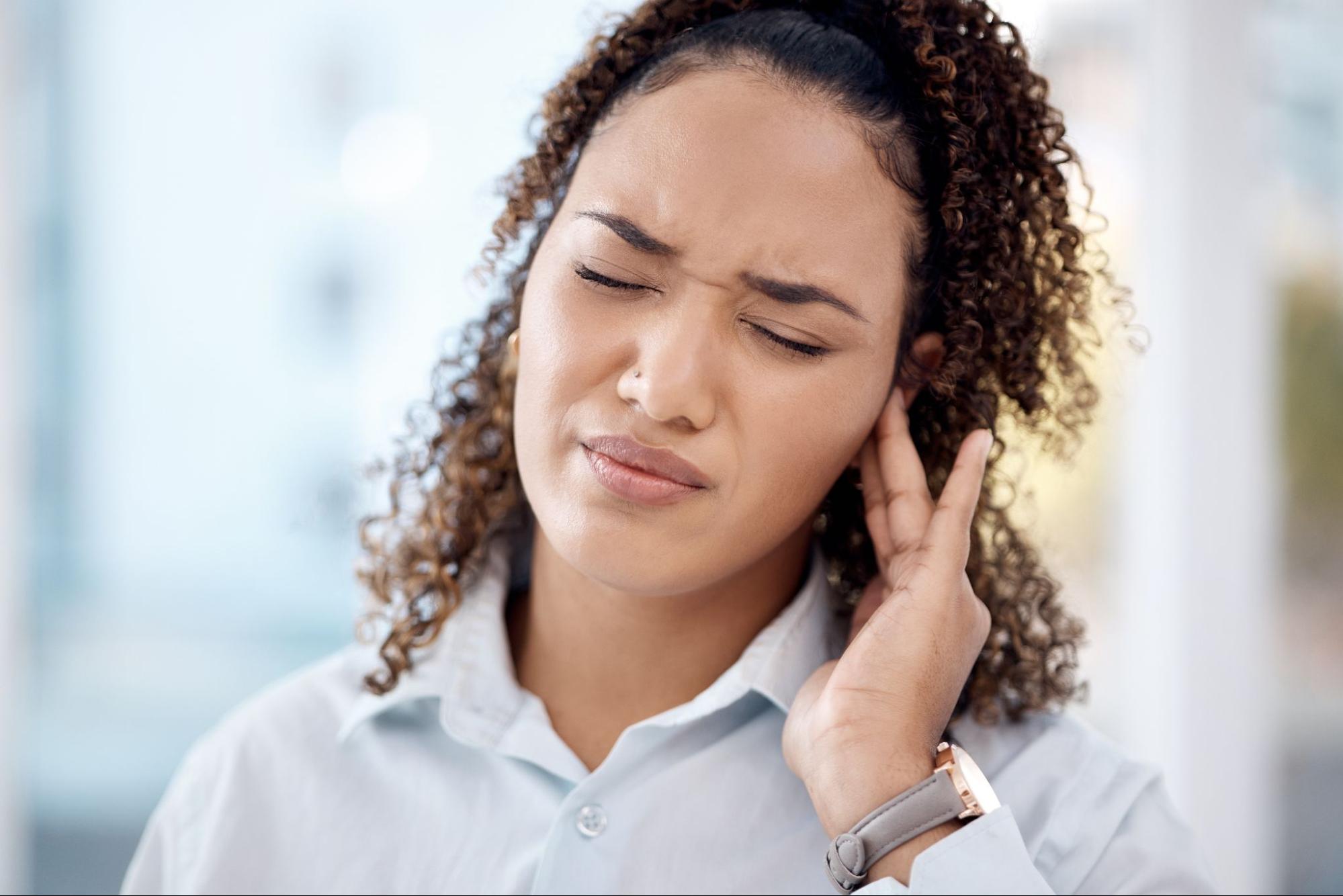
How Allergies Affect the Ears
Allergies can affect the ears in several ways. The most common involve inflammation and congestion around the Eustachian tubes and middle ear.
Eustachian Tube Dysfunction
The Eustachian tubes help equalize pressure between the middle ear and the surrounding environment. They also help keep the middle ear ventilated and allow fluid to drain.
Allergy-related inflammation and congestion can make it harder for the Eustachian tubes to open properly. This is known as eustachian tube dysfunction, or ETD.
Dr. Han explains that eustachian tube dysfunction can be influenced by chronic postnasal drainage. When inflammation causes the Eustachian tube to become blocked or function improperly, negative pressure can develop in the middle ear.
This may cause symptoms such as:
- Ear pressure or fullness
- Clogged ears
- Ear popping or clicking
- Muffled hearing
- A sensation of fluid in the ear
- Tinnitus, or ringing in the ears
- Dizziness or imbalance
Fluid Buildup in the Middle Ear
Some people may experience fluid in the ears from allergies when inflammation prevents the Eustachian tubes from draining the middle ear properly.
This fluid can make sounds seem muffled or distant, almost as though you are listening underwater. Ongoing nasal congestion and postnasal drainage can also contribute to ear problems and, in some cases, recurrent ear infections.
According to Dr. Han, chronic postnasal drainage, nasal congestion, and increased nasal secretions can become particularly uncomfortable and may contribute to acute or recurrent ear infections that can affect hearing.
Conductive Hearing Loss
Conductive hearing loss occurs when sound is blocked or reduced as it travels through the outer or middle ear before reaching the inner ear.
Allergy-related congestion, fluid buildup, or Eustachian tube problems can interfere with this process.
When the underlying cause is temporary, hearing may improve as the middle-ear problem improves. If allergies are contributing to eustachian tube dysfunction, managing the underlying allergies may help improve related ear and hearing symptoms.
Signs Your Allergies May Be Affecting Your Hearing
The connection between seasonal allergies and hearing loss is often related to congestion, pressure changes, or fluid buildup rather than permanent hearing damage. If your hearing seems different during allergy season, pay attention to other symptoms that occur at the same time.
Possible signs include:
- Muffled or reduced hearing
- A feeling that your ears are clogged
- Ear pressure or fullness
- Frequent ear popping
- A sensation of fluid in the ear
- Ringing or buzzing in the ears
- Mild dizziness or imbalance
- Nasal congestion
- Increased nasal drainage
- Postnasal drip
If these symptoms are persistent, worsening, or interfering with your ability to communicate, it is important to have your ears and hearing evaluated rather than assuming allergies are the only cause.
Can Allergies Cause Ringing in the Ears?
Allergies are not typically considered a direct cause of tinnitus, or ringing in the ears.
However, allergy-related inflammation, congestion, eustachian tube dysfunction, and changes in middle-ear pressure may contribute to ear symptoms that occur alongside tinnitus.
Dr. Han notes that tinnitus is generally not a direct result of allergies, although it may occur as a secondary effect when allergy-related changes affect the ear or hearing system.
If tinnitus is new, persistent, occurs primarily in one ear, or happens along with a sudden change in hearing, an evaluation by an ear, nose, and throat specialist is recommended.
Can Allergies Affect Balance?
The ears play an important role in balance, so changes in ear pressure or middle-ear function can sometimes be associated with dizziness or a feeling of imbalance.
Some people with significant allergy-related congestion may notice these symptoms along with ear pressure, popping, or muffled hearing.
However, significant or recurring vertigo should not automatically be attributed to allergies. Balance problems can have many possible causes, and an evaluation can help determine what is contributing to the symptoms.
How Are Allergy-Related Hearing Problems Treated?
Treatment depends on what is causing the hearing changes.
If allergies appear to be contributing to ear symptoms, a healthcare provider may recommend:
- Allergy testing to identify specific allergens that may be triggering symptoms
- Allergy medications based on the patient's symptoms and medical history
- Nasal steroid sprays to help reduce nasal inflammation and congestion when appropriate
- Allergy immunotherapy, such as allergy shots, for some patients with persistent allergies
- Treatment for eustachian tube dysfunction
- A hearing evaluation to determine whether a hearing change is present and whether it is conductive or sensorineural
The goal is to identify and address the underlying cause rather than simply treating the sensation of clogged or muffled hearing.
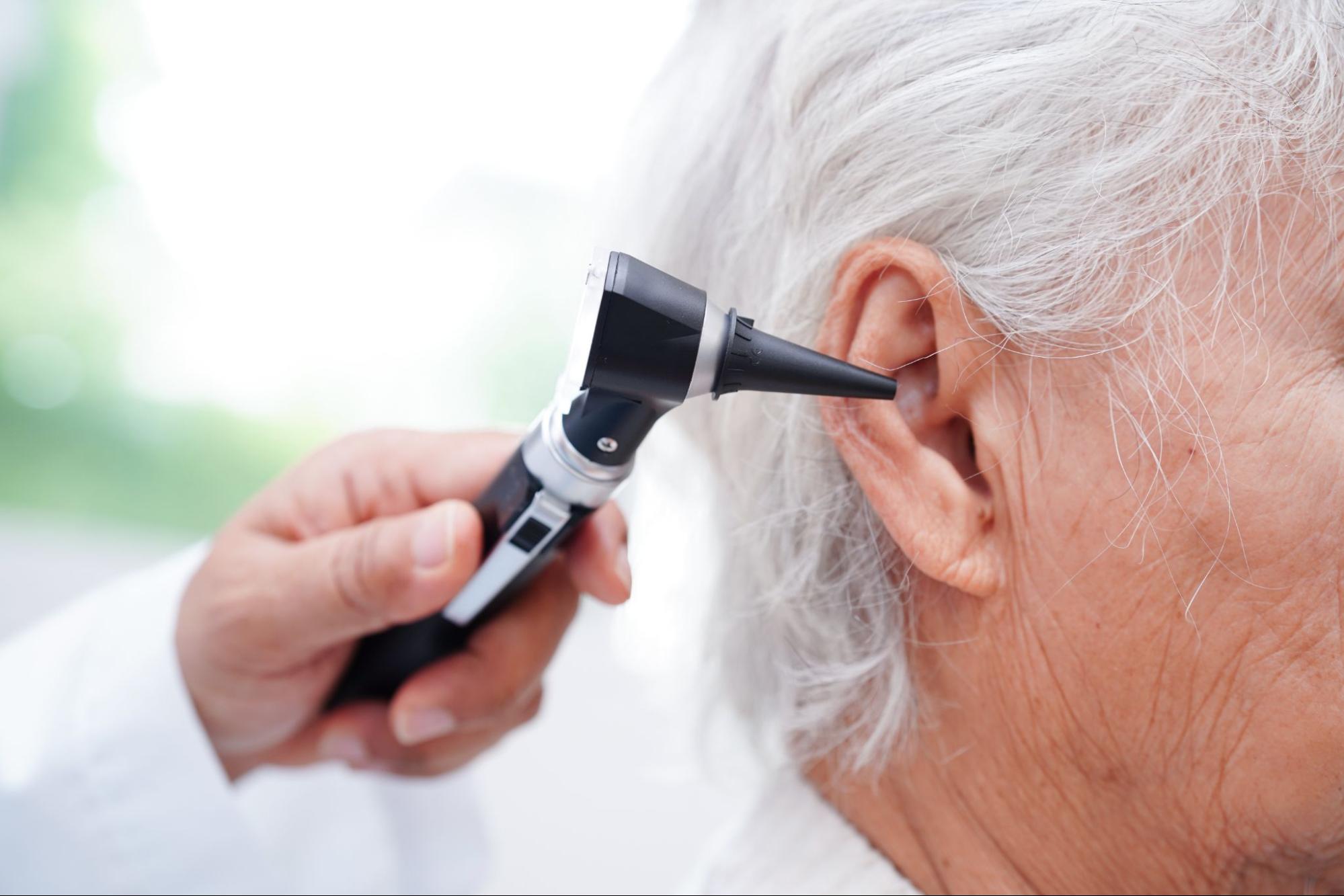
When Hearing Loss Is Not Caused by Allergies
Not every change in hearing is related to allergies.
One important condition to recognize is sudden sensorineural hearing loss, or SSHL. This is a rapid loss of hearing caused by a problem involving the inner ear. It can occur in one ear and may be accompanied by ear fullness, dizziness, or tinnitus.
Because these symptoms can feel similar to congestion or an allergy flare-up, some people may assume their hearing has changed because of allergies.
That can be dangerous.
Sudden hearing loss should be treated as a medical emergency. If you experience a sudden decrease in hearing, particularly in one ear, seek medical attention immediately rather than waiting to see whether your allergies improve. The National Institute on Deafness and Other Communication Disorders (NIDCD) specifically warns that people sometimes delay care because they believe sudden hearing loss is related to allergies or another common condition. Timely evaluation and treatment can improve the chances of hearing recovery.
Frequently Asked Questions
What causes clogged ears from allergies?
Allergy-related inflammation and congestion can affect the Eustachian tubes. When the tubes do not open properly, pressure can build up in the middle ear and cause a clogged or full sensation.
Can allergies cause tinnitus?
Allergies are not typically a direct cause of tinnitus. However, allergy-related congestion, inflammation, eustachian tube dysfunction, or changes in middle-ear pressure may contribute to tinnitus or make existing tinnitus more noticeable.
Does allergy-related hearing loss go away?
It can, depending on the cause. If the hearing change is related to temporary eustachian tube dysfunction, fluid buildup, or another middle-ear problem associated with allergies, hearing may improve when the underlying problem is treated.
However, hearing loss has many possible causes. A hearing evaluation can help determine whether the change is related to allergies or another condition.
What is Eustachian tube dysfunction?
Eustachian tube dysfunction occurs when the Eustachian tubes do not open or function normally. This can cause pressure changes in the middle ear and symptoms such as ear popping, fullness, muffled hearing, and fluid buildup.
What is conductive hearing loss?
Conductive hearing loss occurs when sound cannot travel normally through the outer or middle ear to reach the inner ear. Fluid, inflammation, congestion, earwax, and Eustachian tube problems can all contribute to conductive hearing loss.
When should I see a doctor about allergy-related hearing problems?
Consider seeing an ENT or other qualified healthcare professional if muffled hearing ,clogged ears, tinnitus, dizziness, or other ear symptoms persist, or frequent ear pressure from allergies, or interfere with daily activities.
If hearing loss happens suddenly, seek medical attention immediately. Do not assume that sudden hearing loss is caused by allergies.
Managing Allergy-Related Hearing Problems
Allergies can affect more than your nose and eyes. In some people, allergy-related inflammation and congestion can affect the Eustachian tubes and middle ear, leading to ear pressure, popping, fluid buildup, muffled hearing, and other hearing disturbances.
For many patients, these symptoms are related to conductive changes involving the middle ear rather than damage to the inner ear. Treating the underlying allergies and addressing Eustachian tube dysfunction may help improve hearing-related symptoms.
If you are experiencing hearing loss or other ear symptoms, an evaluation can help determine the cause and appropriate treatment.
ENT & Allergy Associates provides care for ear, hearing, allergy, asthma, and related conditions across New York, New Jersey, Pennsylvania, and Texas. Patients can learn more about Hearing Loss, Allergy, Asthma & Immunology, find an ENTA location, or book and manage an appointment with an ENTA provider.
Medical Disclaimer
This information is intended for general educational purposes only and is not a substitute for professional medical advice, diagnosis, or treatment. Hearing loss can have many causes. If you experience sudden hearing loss, especially in one ear, seek medical attention immediately.
Sources
National Institute on Deafness and Other Communication Disorders (NIDCD). Sudden Deafness.
Kan D, Cheng H, Zhou Q. Prevalence and Associated Factors of Eustachian Tube Dysfunction in Allergic Rhinitis with Middle-Ear Disease-Related Outcomes: A Systematic Review and Meta-Analysis. Int Arch Allergy Immunol. 2026 Aug 11:1. doi: 10.1159/iaa/adfag007. Epub ahead of print. PMID: 42579640.