
If you’ve ever felt like one side of your nose never fully clears, or you’re constantly dealing with sinus pressure or breathing issues, a deviated nasal septum could be part of the reason. This condition is common, often misunderstood, and not always problematic—but when symptoms appear, they can significantly affect daily comfort and sleep.
Understanding what a deviated septum is, how it develops, and when it needs medical attention can help you decide whether your symptoms are worth evaluating.
What Is the Nasal Septum?
The nasal septum, or nose septum, is the thin wall of cartilage and bone that divides the nose into left and right airways. Ideally, this structure sits near the center of the nose, allowing air to flow evenly through both sides.
In reality, very few septums are perfectly centered. Minor differences are normal and often go unnoticed. Problems arise when the septum is significantly off-center and interferes with airflow or sinus drainage.
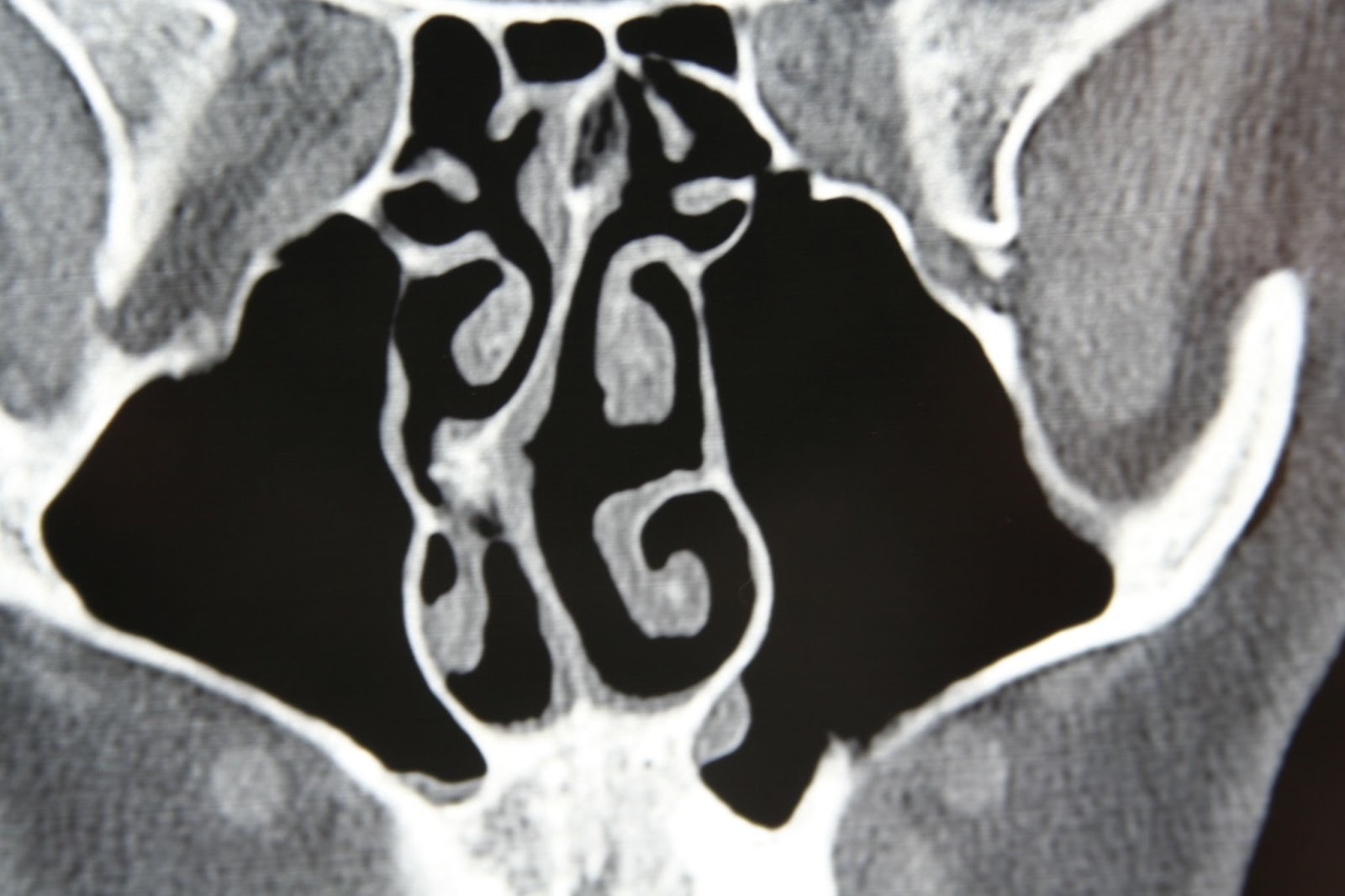
What Is a Deviated Septum?
Nasal septum deviation occurs when the nasal septum shifts to one side, narrowing one nasal passage. This imbalance can restrict airflow, trap mucus, and make it harder to breathe through the nose—especially on one side.
It’s important to know that:
- Many people have some degree of septal deviation
- Not all deviated septums cause symptoms
- Symptoms depend on the severity and location of the deviation
A deviated septum is different from temporary nasal congestion caused by allergies, colds, or sinus infections. Congestion fluctuates, while structural deviation is constant.
How Common Is Nasal Septum Deviation?
Deviated septums are very common. Research suggests that roughly eight out of ten people have some degree of nasal septum misalignment, often without realizing it.¹
While many never develop symptoms, others learn they have a deviated septum during a routine exam or imaging for another issue, or seek evaluation due to ongoing nasal blockage or recurrent sinus problems.
Congenital vs. Injury-Related Septum Deviation
There are two primary causes of nasal septum deviation:¹
Congenital (Present at Birth)
Some people are born with a deviated septum. This can occur during fetal development or as a result of pressure during childbirth. Congenital septal deviations often go unnoticed until symptoms appear later in life.
Injury-Related
Trauma to the nose can shift the septum out of place. Common causes include:
- Sports injuries
- Falls
- Car accidents
- Physical altercations
In some cases, a past injury may seem minor at the time but leads to long-term nasal obstruction as swelling resolves and the septum heals in a deviated position.
Common Deviated Nasal Septum Symptoms
Deviated nasal septum symptoms can differ from person to person, and often range from mild to more noticeable, including:¹,²
Breathing-Related Symptoms
- Persistent nasal blockage on one side
- Difficulty breathing through the nose, especially during exercise
- Mouth breathing, particularly at night
- Feeling like one nostril never fully clears
Sinus and Nasal Symptoms
- Frequent sinus infections
- Facial pressure or pain
- Postnasal drip
- Reduced sense of smell
- Thick or persistent nasal drainage
Sleep-Related Symptoms
- Snoring
- Noisy breathing during sleep
- Poor sleep quality due to nasal obstruction
- Worsening symptoms when lying on one side
Nosebleeds
- Recurrent nosebleeds due to dryness and irritation
- Increased crusting inside the nose

Causes of a Deviated Septum
The underlying cause is usually structural, but contributing factors to nasal septum deviation may include:
- Genetic predisposition
- Developmental changes during growth
- Previous nasal trauma
- Compensatory swelling from chronic inflammation
Septal deviation does not result from allergies or sinus infections, though these conditions can worsen symptoms by adding swelling to already narrowed nasal passages.
How a Deviated Septum Is Diagnosed
Diagnosis typically begins with a physical exam by a healthcare provider or ENT specialist. Evaluation may include:
- Visual inspection of the nasal passages
- Use of a nasal speculum or endoscope
- Discussion of symptom patterns and duration
Imaging studies, such as a CT scan, may be recommended if chronic sinus issues or surgical planning are involved. Diagnosis focuses not just on anatomy, but on whether the deviation explains the patient’s symptoms.
When a Deviated Septum Needs Medical Attention
Not every septal deviation requires treatment. Evaluation is recommended if symptoms are:
- Persistent and one-sided
- Interfering with sleep or exercise
- Associated with frequent sinus infections
- Causing recurring nosebleeds
- Not responding to standard allergy or congestion treatments
Structural issues often become more noticeable over time as inflammation, aging, or repeated infections add to nasal obstruction.
Treatment Options for a Deviated Septum
Treatment depends on symptom severity and overall impact on quality of life.
Non-Surgical Management Options
For mild to moderate symptoms, conservative treatment may help:¹
- Saline nasal sprays or rinses
- Topical nasal steroid sprays
- Decongestants or antihistamines
- Nasal strips
These approaches reduce inflammation but do not correct the underlying deviation.
Surgical Treatment (Septoplasty Overview)
Septoplasty is a surgical procedure that straightens the nasal septum to improve airflow. It is typically considered when symptoms persist despite non-surgical treatment. Septoplasty focuses on function rather than appearance and is often performed as an outpatient procedure.¹
Frequently Asked Questions
How do you know if you have a deviated septum?
Common signs of a deviated septum include ongoing nasal congestion on one side, frequent sinus infections, difficulty breathing through the nose, loud snoring, or recurring nosebleeds.¹
Can a deviated septum cause sinus infections?
Yes. Restricted drainage can allow mucus to build up, increasing infection risk.
Is a deviated septum dangerous?
No, a deviated septum is not inherently dangerous, but symptoms can affect comfort, sleep, and sinus health.
Do I need surgery for a deviated septum?
Not always. Surgery is only recommended when symptoms don’t improve with conservative care.
Can children have a deviated septum?
Yes. Some are born with it, while others develop it after injury.
When to See an ENT Specialist
An ENT evaluation is helpful if you experience:
- Ongoing nasal blockage on one side
- Repeated sinus infections
- Breathing problems affecting sleep or physical activity
- Persistent symptoms despite medication or allergy treatment
Specialists can determine whether symptoms are structural, inflammatory, or a combination of both.
Take the Next Step Toward Comfortable Breathing
A deviated nasal septum is common and often harmless, but for some people, it can contribute to ongoing breathing difficulties, recurrent sinus infections, and disrupted sleep. Knowing when symptoms point to a structural issue rather than temporary congestion is an important step in deciding whether further evaluation is needed.
At ENT & Allergy Associates, our specialists help patients better understand the cause of persistent or one-sided nasal symptoms and explore appropriate treatment options when symptoms begin to affect daily life. With locations across New Jersey, New York, Pennsylvania, and Texas, care is accessible and tailored to each patient’s needs.
If nasal symptoms are interfering with your comfort or quality of life, scheduling an evaluation can help provide clarity and next steps.
Sources:
Healthline. Deviated Septum.