
Coughing after eating is not a symptom that should be ignored. While an occasional cough after swallowing may occur in healthy individuals, recurrent coughing during or after meals can indicate a problem with swallowing, airway protection, or vocal fold function.
In many cases, coughing after eating occurs because food, liquid, or saliva enters the airway, triggering a protective cough reflex. This may result from swallowing disorders (dysphagia), vocal fold paralysis, or underlying neurologic conditions that affect coordination of the swallowing muscles.
Because persistent coughing after meals may increase the risk of aspiration and aspiration pneumonia, evaluation by an ENT specialist is often warranted. Ahead, we'll explore the most common reasons people cough after eating, when symptoms may warrant medical attention, and the treatment options that may help.
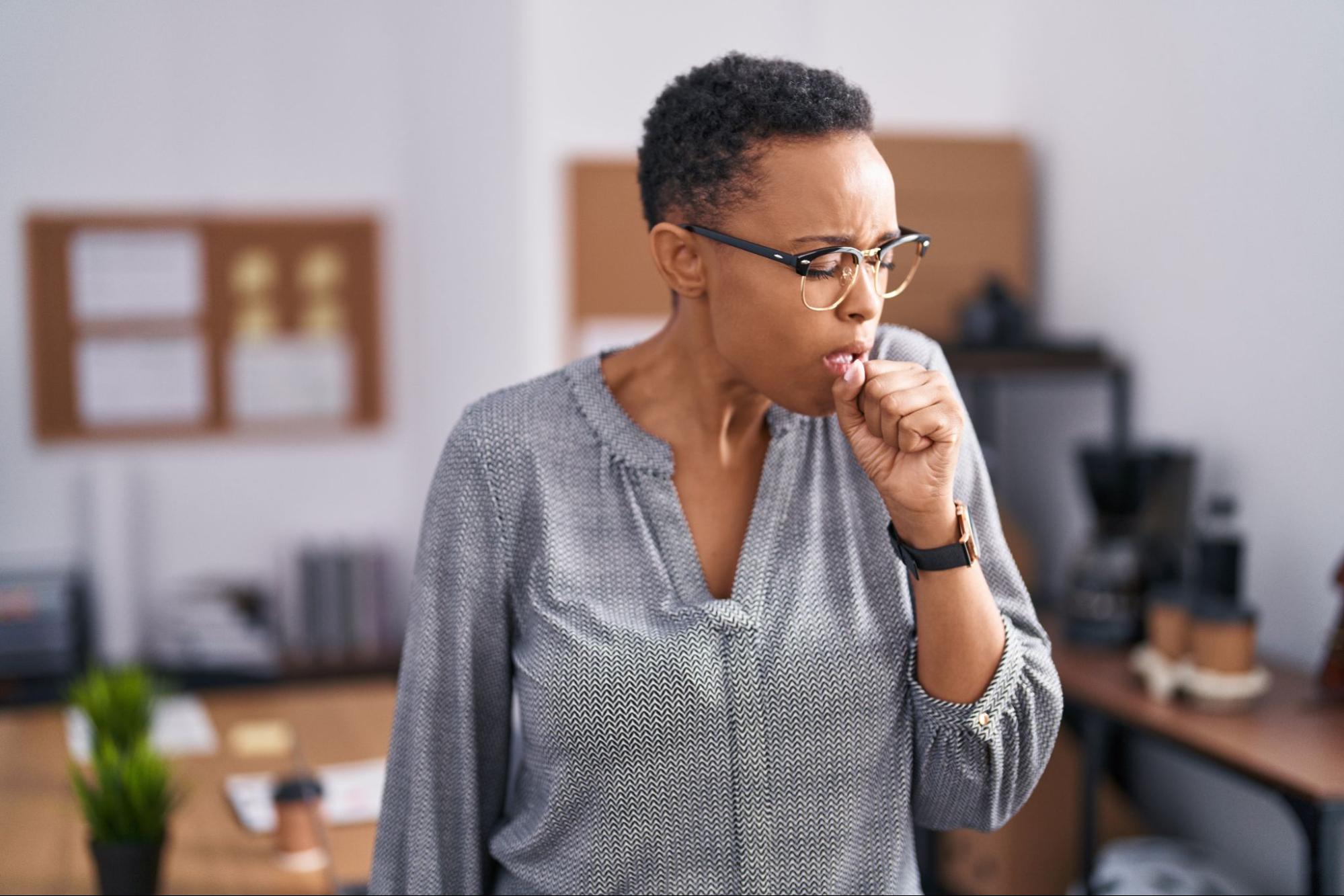
Symptoms That May Accompany Coughing After Eating
People who cough after meals may also experience:
- Coughing immediately after swallowing
- Choking while eating or drinking
- A sensation that food is sticking in the throat
- Frequent throat clearing
- Hoarseness
- A weak or breathy voice
- Difficulty swallowing liquids
- Recurrent pneumonia
- Unexplained weight loss
The timing of symptoms and associated findings often provide important clues to the underlying cause.
Common Causes of Coughing After Eating
There are several possible reasons why someone may experience a cough after eating.
Dysphagia (Swallowing Difficulties)
Dysphagia is one of the most important causes of coughing after eating. Normal swallowing requires precise coordination between the tongue, throat muscles, larynx, and esophagus. When this process is disrupted, food or liquid may enter the airway and trigger coughing.
People with dysphagia symptoms like coughing after eating may notice:¹
- Coughing during meals
- Coughing immediately after swallowing
- Choking episodes
- Food sticking in the throat
- Difficulty swallowing
- Recurrent respiratory infections
Swallowing disorders may result from abnormalities involving the muscles, nerves, throat, or esophagus.
Vocal Fold Paralysis and Other Laryngeal Disorders
The vocal folds play a critical role in protecting the airway during swallowing. When one or both vocal folds fail to close properly, food and liquids may enter the airway and trigger coughing after eating. Vocal fold paralysis, vocal fold weakness, and other disorders affecting laryngeal closure can contribute to swallowing difficulties and aspiration.
Additional symptoms may include:
- Hoarseness
- A weak or breathy voice
- Reduced vocal projection
- Frequent throat clearing
- Choking on liquids
Neurologic Conditions
Swallowing depends on a complex network of nerves and muscles working together.
Neurologic disorders that impair swallowing coordination may cause coughing during or after meals. Examples include:
- Stroke
- Parkinson’s disease
- Multiple sclerosis
- Amyotrophic lateral sclerosis (ALS)
- Other neurodegenerative disorders
In some individuals, coughing after eating may be among the earliest signs of impaired swallowing function.
Aspiration
Aspiration occurs when food, liquid, or saliva enters the airway instead of traveling into the esophagus.
This often produces immediate coughing after swallowing as the body attempts to clear material from the airway.
Repeated aspiration can increase the risk of aspiration pneumonia and other pulmonary complications. Some individuals experience “silent aspiration,” in which material enters the airway without triggering an obvious cough.
Acid Reflux and LPR (Silent Reflux)
One of the most common causes of coughing after eating is acid reflux.
When stomach acid flows backward into the voice box or nose, it can irritate the lining of the airway and trigger coughing.¹ Some people experience traditional heartburn, while others develop laryngopharyngeal reflux (LPR), also called silent reflux.
LPR may not cause noticeable heartburn but can still lead to:¹
- Chronic throat clearing
- Hoarseness
- Dry cough
- Feeling of a lump in the throat
- Coughing after meals
Certain foods, large meals, caffeine, alcohol, and lying down after eating can worsen GERD and reflux symptoms.
Post-Nasal Drip
Post-nasal drip occurs when excess mucus drains from the nose or sinuses into the throat. It can irritate the throat and trigger a mucus cough after eating, especially during or after meals.²
Post-nasal drip may be caused by:²
- Allergies
- Sinus infections
- GERD
- Chronic sinus inflammation
- Environmental irritants
While post-nasal drip may contribute to throat clearing and coughing, it is important not to assume that mucus is the sole cause of symptoms when coughing consistently occurs during or after meals.
Food Allergies
Food allergies can sometimes cause coughing during or shortly after eating.2 When the immune system reacts to a food allergen, irritation and swelling may occur in the mouth, throat, or airway.
Potential food allergy symptoms include:
- Coughing after eating
- Itching of the mouth or throat
- Swelling of the lips, tongue, or throat
- Wheezing
- Difficulty breathing
- Hives or skin reactions
Common food allergens include peanuts, tree nuts, shellfish, milk, eggs, soy, and wheat.
Because allergic reactions can become serious, sudden coughing accompanied by swelling, wheezing, or breathing difficulties should be treated as a medical emergency.
Excessive Phlegm Production
Excessive phlegm production can contribute to coughing after eating by creating irritation in the throat and triggering the cough reflex.²
Excess phlegm may be associated with:
- Post-nasal drip
- Chronic sinusitis
- Allergies
- Acid reflux
- Respiratory infections
Some foods and beverages may temporarily increase mucus production or make existing mucus feel thicker, causing coughing or frequent throat clearing during and after meals.
Asthma or Airway Reactivity
People with asthma or sensitive airways may experience coughing triggered by eating.
In some cases, reflux, food temperature, or airway irritation may contribute to coughing episodes after meals.
Chronic airway inflammation may make the throat and lungs more sensitive to irritation.²
Upper Respiratory Infections (URI)
Recent upper respiratory infections can leave the throat and airways more sensitive, even after other symptoms have improved.
Following a URI, lingering inflammation and mucus production may trigger coughing when eating or drinking. Some people notice that certain textures, temperatures, or larger bites are more likely to provoke coughing while the throat continues to heal.¹,²
Additional symptoms may include:
- Congestion
- Post-nasal drip
- Sore throat
- Hoarseness
- Frequent throat clearing
In many cases, these symptoms improve gradually as airway inflammation resolves.
How to Reduce Coughing While Eating
Depending on the underlying cause, a few simple strategies may help reduce coughing during meals:
- Eat slowly and take smaller bites
- Chew food thoroughly before swallowing
- Avoid talking while eating
- Sit upright during and after meals
- Stay well hydrated
- Avoid foods that trigger reflux symptoms
If coughing after eating continues despite these measures, an evaluation by an ENT specialist can help determine the cause and appropriate treatment.
When to See an ENT Specialist
Consider seeing a doctor if:
- Recurrent coughing after eating and drinking
- Choking on food or liquids
- Difficulty swallowing
- Hoarseness
- Food sticking in the throat
- A weak or breathy voice
- Recurrent pneumonia
- Unexplained weight loss
Persistent coughing after eating should never be dismissed as simply eating too quickly or getting older. In some cases, it may be an early sign of a swallowing disorder, vocal fold dysfunction, aspiration, or neurologic disease that requires prompt diagnosis and treatment.
When Coughing After Eating Is an Emergency
Most cases of coughing after eating are not emergencies. However, seek immediate medical attention if coughing is accompanied by difficulty breathing, wheezing, swelling of the lips, tongue, or throat, an inability to swallow, or signs of choking. These symptoms may indicate a severe allergic reaction or airway obstruction and require prompt treatment.
How ENT Specialists Evaluate Coughing After Eating
Evaluation begins with a detailed history and examination of the voice box and swallowing mechanism.
The goal is to determine whether symptoms are caused by aspiration, swallowing dysfunction, vocal fold abnormalities, reflux, or another underlying condition.
Flexible Laryngoscopy
Flexible laryngoscopy allows the ENT specialist to examine the nose, throat, and vocal folds.
This examination can identify:
- Vocal fold paralysis
- Vocal fold weakness
- Structural abnormalities
- Laryngeal inflammation
- Signs suggestive of reflux
Flexible Endoscopic Evaluation of Swallowing (FEES)
FEES is one of the most valuable tests for patients who always cough after eating.
During this examination, a small flexible endoscope is used to directly observe swallowing function and determine whether food or liquid is entering the airway.
FEES can identify:
- Aspiration
- Penetration
- Swallowing abnormalities
- Vocal fold dysfunction
- Weakness of the throat muscles
Additional Testing
Depending on the findings, additional studies may be recommended, including:
- Modified barium swallow studies
- Esophageal evaluation
- Neurologic evaluation
- Allergy testing
- Imaging studies when appropriate
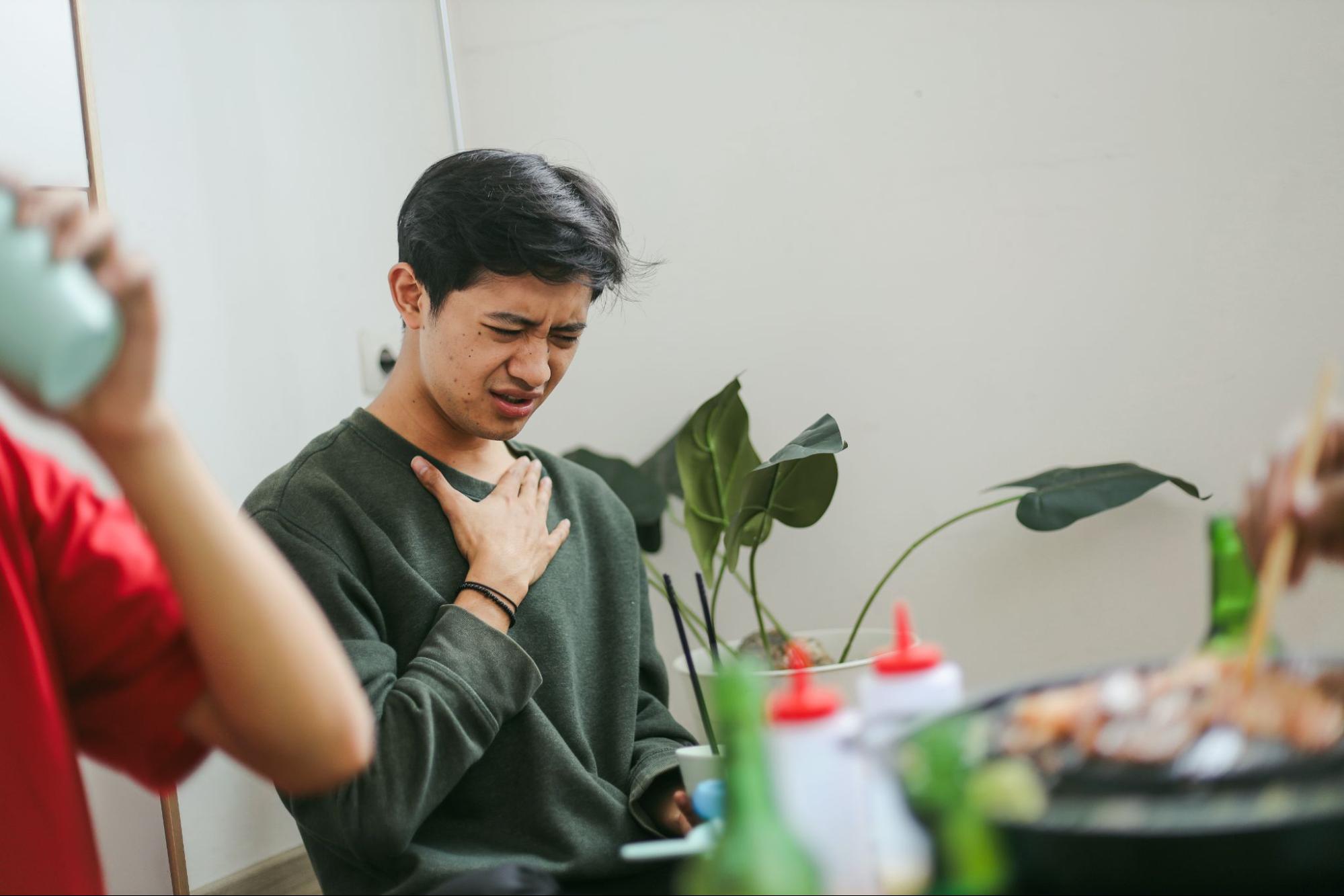
Treatment Options for Coughing After Eating
Treatment depends on the underlying cause.
1. Swallowing Therapy
Patients with dysphagia may benefit from swallowing therapy designed to improve coordination, strengthen swallowing function, and reduce aspiration risk.
2. Treatment of Vocal Fold Disorders
Treatment for vocal fold paralysis or weakness may include voice therapy, vocal fold augmentation, or other procedures aimed at improving airway protection during swallowing.
3. Reflux Management
Patients with reflux-related symptoms may benefit from dietary modifications, lifestyle changes, and medications when appropriate.
4. Allergy and Sinus Treatment
When post-nasal drip contributes to symptoms, treatment may include allergy management, nasal medications, or treatment of underlying sinus disease.
Get Answers for Ongoing Coughing After Meals
Coughing after eating food can have several causes, ranging from mild irritation to treatable medical conditions such as reflux, post-nasal drip, dysphagia, or aspiration. While occasional coughing is often normal, frequent or persistent symptoms deserve proper evaluation.
Identifying the cause early can help improve comfort, reduce complications, and make eating easier and safer.
The specialists atENT & Allergy Associates provide comprehensive evaluation and treatment for throat symptoms, swallowing disorders, reflux-related conditions, sinus issues, and chronic cough.
Find a convenient location in:
Patients can alsobook an appointment online to discuss symptoms and treatment options.
Frequently Asked Questions
Is coughing after eating normal?
Occasional coughing may occur in healthy individuals. However, recurrent coughing during or after meals is not considered normal and should be evaluated, particularly if it is associated with choking, swallowing difficulty, or voice changes.
Can acid reflux cause coughing after eating?
Yes. Laryngopharyngeal reflux (LPR) can irritate the throat and voice box, leading to coughing, throat clearing, and hoarseness after eating.
Is coughing after eating a sign of aspiration?
It can be. Coughing immediately after swallowing is one of the most common signs that food or liquid may be entering the airway.
Why Do I Cough After Eating Spicy Foods?
Spicy foods can trigger acid reflux or laryngopharyngeal reflux (LPR) in some people. When stomach contents irritate the throat or voice box, coughing may occur during or after a meal.
Should I see a doctor for coughing after eating?
Medical evaluation is recommended if symptoms are persistent, worsening, or accompanied by swallowing problems, hoarseness, or unexplained weight loss.
Sources:
- Healthline. Coughing After Eating? Possible Causes and Remedies.
- Verywell Health. Learn 9 Surprising Causes of Coughing After Meals.
- Medical News Today. Why do I cough after I eat?