
Nosebleeds are one of the most common ear, nose, and throat concerns, affecting both children and adults at some point in their lives. While many nosebleeds are mild and stop quickly at home, others may happen more frequently or become difficult to control. Dry air, allergies, illness, medications, and irritation inside the nose can all contribute to bleeding.
Knowing what causes nosebleeds, how to stop them safely, and when medical care may be necessary can help prevent complications and reduce unnecessary stress during an episode.
What Is a Nosebleed?
A nosebleed, medically known as epistaxis, occurs when blood vessels inside the nose break and bleed. Nosebleeds are extremely common and can affect both children and adults. While they are often harmless, frequent nosebleeds or severe bleeding may sometimes require medical evaluation.
The inside of the nose contains many tiny blood vessels located close to the surface of the nasal lining. These vessels help warm and humidify the air we breathe, but they are also delicate and prone to irritation or injury.¹

Types of Nosebleeds
Anterior Nosebleeds (Most Common)
Anterior nosebleeds account for the majority of cases, especially in children and younger adults.
These nosebleeds typically occur when fragile blood vessels in the front part of the nasal septum break. Common triggers include dry air, nose picking, allergies, or irritation from illness.
Anterior nosebleeds are usually easier to stop at home with proper first aid.²
Posterior Nosebleeds
Posterior nosebleeds occur deeper in the nasal cavity and are more common in older adults and people with certain medical conditions.
These nosebleeds may involve larger blood vessels and can cause heavier bleeding that drains down the back of the throat.
Posterior nosebleeds are more likely to require medical treatment and should not be ignored, especially if bleeding is significant or difficult to control.²
Common Causes of Nosebleeds
Dry Air and Irritation
One of the most common causes of nosebleeds is dry air.
Low humidity, indoor heating during winter months, and dry climates can dry out the nasal lining, causing cracking and irritation. This makes blood vessels more likely to break.
Dry air nosebleeds are particularly common during colder seasons when heating systems reduce indoor moisture levels.¹
Nose Picking or Minor Trauma
Minor trauma to the nose can easily trigger bleeding, especially in children.
Common examples include:
- Nose picking
- Aggressive nose blowing
- Rubbing the nose frequently
- Minor bumps or injuries
Because the blood vessels near the front of the nose are so delicate, even small amounts of irritation may lead to bleeding.¹
Allergies and Upper Respiratory Infections
Allergies, colds, and sinus infections can inflame the nasal passages and increase the risk of bleeding.
Frequent sneezing, rubbing, and blowing the nose may further irritate already sensitive tissues.
People with chronic allergies sometimes experience recurrent nosebleeds due to ongoing inflammation and dryness.¹
Medications
Certain medications can increase the likelihood of nosebleeds.
These include:
- Blood thinners (anticoagulants)
- Aspirin
- Some anti-inflammatory medications
- Nasal steroid sprays when used improperly
Nasal sprays can be helpful for allergies and inflammation, but directing the spray toward the nasal septum instead of the outer wall of the nose may irritate blood vessels over time.²
High Blood Pressure
High blood pressure is not usually the direct cause of nosebleeds, but it can make bleeding harder to control or worsen an active bleed.
People with uncontrolled hypertension may experience heavier or more prolonged nosebleeds, especially when combined with fragile blood vessels or medication use.¹
How to Stop a Nosebleed at Home
Knowing how to stop a nosebleed properly can reduce anxiety and help prevent unnecessary emergency visits.
Step-by-Step Instructions
If a nosebleed occurs:¹
- Sit upright and lean slightly forward.
- Pinch the soft part of the nose shut using your thumb and index finger.
- Hold continuous pressure for 10–15 minutes without checking too early.
- Breathe through the mouth during this time.
- Spit out any blood that drains into the mouth instead of swallowing it.
- Apply a cold compress or ice pack to the bridge of the nose or cheeks if desired.
Most anterior nosebleeds stop within this timeframe.
How Long Should a Nosebleed Last?
Most nosebleeds stop within 10–20 minutes when proper pressure is applied.²
When to see a doctor for a nosebleed:²
- Bleeding continues beyond 20 minutes
- Blood loss appears heavy or rapid
- Bleeding repeatedly restarts
- Symptoms of weakness, dizziness, or faintness occur
Frequent nosebleeds may also signal ongoing irritation or another underlying condition requiring evaluation.
Medical Treatment for Nosebleeds
If home treatment does not stop the bleeding, an ENT specialist may recommend additional interventions.
Treatment options may include:²
Nasal Cauterization
Cauterization seals problematic blood vessels using a chemical solution or electrical device to prevent recurrent bleeding.
Nasal Packing
Specialized packing materials or nasal sponges may be placed inside the nose to apply pressure and stop bleeding.
Topical Medications
Certain medications can help constrict blood vessels or promote clotting.
Treating the Underlying Cause
Long-term management may involve addressing allergies, sinus disease, dryness, high blood pressure, or medication-related issues.
Rare Surgical Intervention
In severe or recurrent cases, procedures to control larger blood vessels may occasionally be necessary.
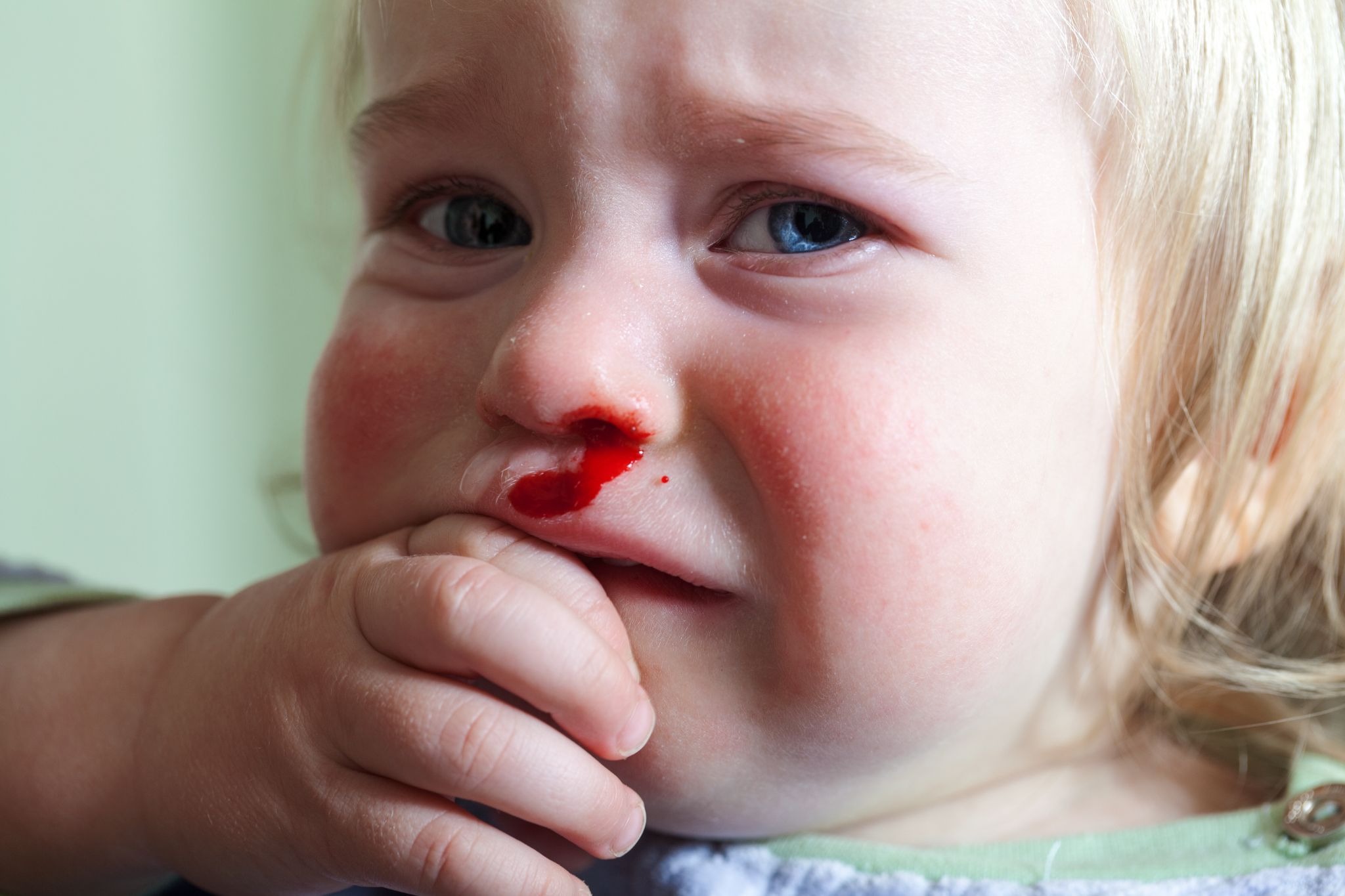
Nosebleeds in Children
Nosebleeds in children are very common and are usually not serious.
Typical triggers include:³
- Nose picking
- Dry indoor air
- Allergies
- Minor irritation from colds
Parents can often manage these episodes safely at home using proper pressure techniques.
Helpful prevention strategies for children include:³
- Keeping fingernails trimmed
- Using humidifiers
- Applying saline nasal spray
- Encouraging gentle nose blowing
Children with very frequent nosebleeds or bleeding from only one side of the nose should be evaluated by a doctor.
How to Prevent Nosebleeds
Prevention focuses on keeping the nasal passages moist and minimizing irritation.
Helpful prevention tips include:¹
- Using a humidifier during dry months
- Applying saline nasal spray regularly
- Using nasal moisturizing gel when recommended
- Avoiding forceful nose blowing
- Limiting nose picking or rubbing
- Staying hydrated
- Using proper nasal spray technique
For nasal sprays, aim slightly outward toward the ear rather than directly toward the center nasal septum.
Frequently Asked Questions
Why do I get nosebleeds for no reason?
Many “unexplained” nosebleeds are related to dryness, irritation, allergies, or fragile blood vessels that are not immediately noticeable.
Are frequent nosebleeds dangerous?
Not always, but frequent nosebleeds should be evaluated if they occur regularly, are difficult to stop, or interfere with daily life.
Can stress cause nosebleeds?
Stress itself does not directly cause nosebleeds, but stress-related behaviors such as elevated blood pressure, nose rubbing, or dry mouth may contribute in some people.
Do allergies cause nosebleeds?
Yes. Allergies can inflame and dry the nasal passages, increasing the likelihood of bleeding.
Can dehydration lead to nosebleeds?
Dehydration may contribute to dryness inside the nose, making nasal tissues more vulnerable to cracking and bleeding.
Get Expert Care for Frequent or Severe Nosebleeds
Nosebleeds are common and are often caused by dry air, irritation, allergies, or minor trauma. Most can be safely managed at home with proper first aid, but persistent, severe, or frequent nosebleeds may require evaluation by an ENT specialist.
Understanding what causes nosebleeds, how to stop them safely, and how to prevent future episodes can help reduce anxiety and improve long-term nasal health.
The specialists at ENT & Allergy Associates provide expert care for a wide range of nose conditions, including recurrent nosebleeds, sinus problems, and chronic nasal irritation.
Find a convenient location in:
Patients can also book an appointment online for evaluation and care.
Sources:
- MedlinePlus. Nosebleed.
- Medical News Today. Why nosebleeds start and how to stop them.
- Medical News Today. When to see a doctor if a child has a nosebleed.