by Roheen Raithatha, M.D. & B. Todd Schaeffer, M.D., F.A.C.S.
Sinusitis is inflammation of the tissue lining the sinuses. It can cause nasal congestion, facial pressure, drainage, coughing, fatigue, and a reduced sense of smell. Symptoms may develop during a respiratory infection, return in separate episodes, or persist for months.
Although sinusitis is often called a sinus infection, inflammation does not always mean a bacterial infection. Allergies, nasal polyps, and structural problems can also contribute to sinus symptoms. Identifying the cause helps your physician recommend appropriate sinusitis treatment.
An ear, nose, and throat physician can evaluate persistent or recurring symptoms, examine the nasal passages, and determine if additional testing is needed. Treatment may involve symptom management, medication, allergy care, or a procedure for selected patients.
ENT & Allergy Associates provides sinus care for adults and children, with ENT doctors, sinus specialists, and allergists working together when appropriate. Explore locations in New York, New Jersey, Pennsylvania, and Texas to find an office for your evaluation.
What Is Sinusitis?
Sinuses are air-filled spaces in the face and head that are lined by mucous membranes. They produce mucus to help cleanse the nose and upper respiratory tract. There are multiple sinuses on each side of the face, with small openings that drain mucus and circulate air from the nose.
The maxillary sinuses are behind the cheeks, while the frontal sinuses are above the eyes. The ethmoid sinuses are between the eyes, and the sphenoid sinuses sit deeper behind the nose.
Irritants or infections in the nose can cause swelling of the nasal cavity and sinuses, leading to pressure and pain. Extra mucus, together with swelling, can narrow or block normal drainage pathways. Mucus may collect inside the sinuses, contributing to congestion and sometimes infection.
Physicians also use the term rhinosinusitis because the nasal lining and sinus lining often become inflamed together. “Sinus infection” commonly describes infection-related sinusitis, but it does not cover every cause of inflammation.
Short-term symptoms may accompany a cold. Symptoms that repeatedly return or remain present require a different evaluation and treatment approach.
Sinus infection symptoms vary depending on the cause, duration, and severity. Some people mainly experience congestion and drainage, while others notice facial pressure or changes in smell.
Common symptoms include:
- Nasal congestion or blockage
- Facial pain, pressure, or fullness
- Thick or discolored nasal drainage
- Post-nasal drip or phlegm in the throat
- Reduced or lost sense of smell
- Headache
- Cough or frequent throat clearing
- Sore throat
- Bad breath
- Ear pressure or fullness
- Upper tooth discomfort
- Fatigue
- Fever in some acute cases
Fever is less common with chronic sinusitis. Symptoms can also overlap with allergies, colds, migraines, and structural nasal problems. Their presence alone does not establish the diagnosis.
Pay attention to how symptoms change over time. Note when they began, if they improved before worsening, and if you feel completely well between episodes. These details help your physician distinguish a short-term illness from a recurring or chronic condition.
When Should You See a Sinus Specialist?
Consider seeing an ENT for sinus problems when symptoms persist, repeatedly return, or interfere with daily activities. An evaluation is particularly useful if previous treatment has not addressed the problem.
Reasons to schedule an appointment include:
- Symptoms lasting more than 10 days without improvement
- Symptoms that improve and then become worse
- Congestion, drainage, or facial pressure lasting 12 weeks or longer
- Frequent sinus infections
- Reduced smell that does not return
- Symptoms affecting sleep, work, school, or exercise
- Suspected nasal polyps or structural obstruction
- Persistent symptoms after sinus surgery
You do not need to wait 12 weeks to seek care. That duration helps define chronic sinusitis, but earlier evaluation may be appropriate.
Seek immediate medical attention for swelling or redness around the eyes, vision changes, a severe or rapidly worsening headache, neck stiffness, confusion, or other signs of serious illness. These symptoms may require urgent assessment rather than a routine sinus appointment.
What Causes Sinusitis?
Sinusitis can have infectious, inflammatory, environmental, and structural causes. Several factors may contribute at the same time.
Viral Infections
Many acute sinus infections begin with a cold or another viral respiratory infection. Swelling and increased mucus production can temporarily interfere with sinus drainage. Antibiotics do not treat viruses.
Bacterial Infections
Bacterial sinusitis may develop after a respiratory infection. Physicians consider it when symptoms persist without improvement, become severe, or worsen after initially improving. Mucus color alone does not establish a bacterial infection or determine the need for antibiotics.
Nasal Allergies
Allergic inflammation can cause swelling, congestion, and impaired drainage. Pollen, dust mites, mold, or animal dander may contribute to allergy-related sinus problems. Coordinated ENT and allergy evaluation can help identify contributing triggers.
Structural Nasal Problems
Anatomical differences or tissue changes may interfere with airflow or drainage. These include a deviated septum, narrow sinus openings, enlarged turbinates, nasal polyps, or scar tissue from previous procedures.
An anatomical finding does not automatically explain every symptom. Your physician considers it alongside your history and examination.
Other Causes and Contributing Factors
Other contributors include fungal sinus disease, dental infections, tobacco smoke, secondhand smoke, and occupational irritants. Immune-system disorders, cystic fibrosis, and conditions affecting normal mucus clearance can also increase susceptibility to sinus problems.
Risk Factors for Sinusitis
Certain conditions and exposures can increase the likelihood of persistent or recurring sinus symptoms.
Risk factors include:
- Seasonal or year-round allergies
- Asthma
- Frequent respiratory infections
- Nasal polyps
- A deviated septum or other anatomical differences
- Tobacco smoke exposure
- Workplace exposure to dust, fumes, or irritants
- A weakened immune system
- Conditions that interfere with mucus drainage
Previous sinus surgery is also relevant to evaluation, particularly when symptoms persist or scar tissue affects drainage.
Having one or more risk factors does not mean you will develop chronic or recurrent sinusitis. Share your medical history and environmental exposures with your physician so these factors can be considered when planning care.
Types of Sinusitis
Physicians classify sinusitis according to symptom duration and the pattern of episodes.
Acute Sinusitis
Acute sinusitis lasts less than four weeks and commonly accompanies a viral respiratory infection. Symptoms may include congestion, drainage, facial pressure, and reduced smell.
Symptoms that fail to improve after about 10 days or worsen after initial improvement may suggest bacterial sinusitis.
Recurrent Acute Sinusitis
Recurrent acute sinusitis involves separate episodes with symptom-free periods between them. Four or more episodes in a year commonly meet this classification. Repeated episodes may warrant evaluation for contributing allergies or drainage problems.
Subacute Sinusitis
Some clinicians use “subacute sinusitis” for symptoms lasting approximately four to 12 weeks. Your physician may describe the condition using other terminology based on the clinical findings.
Chronic Sinusitis
Chronic sinusitis involves symptoms lasting at least 12 weeks, together with documented sinus inflammation. It often reflects an ongoing inflammatory condition rather than one continuous bacterial infection.
Chronic Sinusitis With or Without Nasal Polyps
Nasal polyps are soft, noncancerous growths in the nose or sinuses. Identifying their presence helps guide treatment because chronic sinusitis with polyps may require a different approach from disease without polyps.
Sinusitis vs. Colds, Allergies, and Migraines
Congestion and facial pressure can have several explanations. The following comparison highlights common patterns.
Concern | Common characteristics |
| Sinusitis | Congestion, drainage, facial pressure, reduced smell, and sinus inflammation |
| Common cold | Runny or stuffy nose, sore throat, and cough that generally improve over time |
| Nasal allergies | Sneezing, itching, clear drainage, and symptoms associated with allergen exposure |
| Migraine | Head pain that may occur with nausea, light sensitivity, or sound sensitivity |
| Structural obstruction | Persistent nasal blockage that may affect one or both sides |
These patterns can overlap. Allergies may occur alongside sinusitis, and a migraine can include nasal symptoms.
Facial pressure or a “sinus headache” does not confirm sinusitis. Your physician considers accompanying symptoms and examination findings before recommending treatment. Persistent one-sided symptoms also deserve evaluation because dental or structural problems may contribute.
Conditions Related to Sinusitis
Several conditions may accompany sinusitis or produce similar symptoms. Evaluating them can help explain why symptoms persist.
- Nasal congestion: Swollen tissues or structural narrowing can restrict nasal airflow.
- Post-nasal drip: Drainage into the throat may contribute to coughing or throat clearing.
- Nasal polyps: These growths may obstruct drainage and affect smell.
- Deviated septum: An uneven nasal partition can contribute to nasal blockage.
- Allergic rhinitis: Allergy-related nasal inflammation can overlap with sinus symptoms.
- Asthma: Asthma and chronic sinus inflammation may occur together.
- Reduced sense of smell: Persistent changes may warrant a separate evaluation.
- Enlarged turbinates: Swelling of these nasal structures can contribute to congestion.
Recurrent respiratory infections and sleep-related breathing concerns may also be relevant. Tell your physician about snoring, disrupted sleep, or repeated illnesses rather than assuming they all have the same cause.
How Is Sinusitis Diagnosed?
Diagnosis begins with your symptoms and an examination. Additional testing depends on the duration, severity, and suspected cause.
Medical History and Symptom Review
An ENT physician may ask when symptoms began, how frequently infections occur, and if symptoms disappear between episodes.
Bring information about previous medications, allergies, asthma, environmental exposures, changes in smell, and prior procedures. Previous imaging and surgical records may also be helpful.
Ear, Nose, and Throat Examination
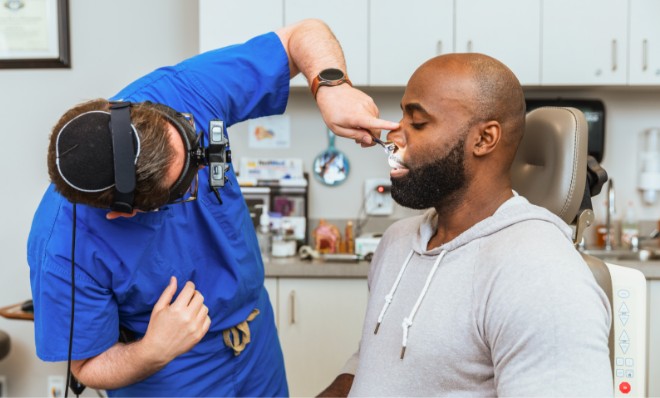
The physician examines the nasal passages and related structures for swelling, drainage, polyps, and possible obstruction. The examination helps determine if symptoms appear related to infection, inflammation, or another condition.
Nasal Endoscopy
A small endoscope may be passed into the nose to examine areas that are difficult to see during a routine examination. It can help identify drainage, inflammation, polyps, or anatomical narrowing.
Imaging and Additional Testing
A CT scan may be appropriate for persistent or chronic symptoms, suspected complications, or surgical planning. Imaging is generally unnecessary for uncomplicated acute sinusitis.
Allergy testing, a targeted culture, or immune-system testing may be considered in selected cases.
Reviewing the Results
Your physician combines the history, examination, and any test results to determine the diagnosis. Chronic sinusitis requires objective evidence of inflammation in addition to prolonged symptoms.
Sinusitis Treatment Options
Sinusitis treatment depends on the type, cause, duration, severity, and previous response to care. A treatment plan may address inflammation, drainage, allergies, or an appropriate bacterial infection.
Supportive Care and Symptom Management
Rest, hydration, saline nasal spray, and saline irrigation may help manage symptoms. Irrigation washes mucus and debris from the nasal passages.
For nasal rinsing, use distilled, sterile, or previously boiled and cooled water. Follow the device’s cleaning instructions and ask a medical professional about appropriate technique. Untreated tap water should not be used for nasal irrigation.
Medications
Medical treatment may include the following categories, selected for your condition:
- Intranasal corticosteroids: Nasal sprays that reduce inflammation.
- Antihistamines: Oral or nasal medications when allergies contribute.
- Decongestants: Short-term options for selected patients. Prolonged use of certain nasal sprays can worsen congestion.
- Mucus-thinning medications: Sometimes considered for symptom management, depending on individual needs.
- Antibiotics: Used when bacterial sinusitis warrants treatment.
- Oral corticosteroids: Considered in selected cases after reviewing potential benefits and risks.
Antibiotics are not appropriate for every sinus infection. Some uncomplicated bacterial infections can also be managed with watchful waiting when reliable follow-up is available. Your physician determines the appropriate approach.
Allergy Evaluation and Treatment
Allergy testing may identify triggers contributing to nasal inflammation. Treatment can involve reducing exposure, medication, or immunotherapy for appropriate patients.
Treating allergies may support sinus management, but persistent symptoms can still require evaluation for other causes. ENT physicians and allergists can coordinate these aspects of care.
Balloon Sinuplasty
Balloon sinus surgery, also called balloon sinuplasty, may open selected sinus drainage pathways.
A small balloon catheter is passed into a sinus opening, inflated to widen the pathway, then deflated and removed. The procedure can sometimes be performed in an office using local anesthesia.
Candidacy depends on the diagnosis, anatomy, and extent of disease. Recovery varies, so your physician will explain the expected restrictions and follow-up rather than promise a fixed recovery time.
Endoscopic Sinus Surgery
Endoscopic sinus surgery is performed to open blocked sinuses. It may be considered when appropriate medical treatment has not adequately controlled symptoms or when obstruction, disease severity, or complications warrant surgery.
Small endoscopes and instruments are passed through the nostrils to examine the nasal and sinus passageways, remove selected blockages, and improve drainage.
Revision and Advanced Sinus Surgery
Persistent symptoms after surgery may require reassessment of inflammation, anatomy, or scar tissue. ENT & Allergy Associate’s Advanced Sinus and Skull Base Center provides evaluation for complex sinus conditions and revision surgery when appropriate.
Follow-Up and Long-Term Management
Ongoing care may include nasal medication, allergy treatment, symptom monitoring, and postoperative visits. Procedures do not eliminate every source of inflammation, so treatment may continue after surgery and change according to your response.
Sinusitis in Children
Children can develop acute, recurrent, or chronic sinusitis. Symptoms may include nasal congestion, thick drainage, cough, bad breath, irritability, and fatigue. Younger children may have difficulty describing facial pressure or changes in smell.
Frequent colds, allergies, and enlarged adenoids can contribute to pediatric sinus problems. Evaluation considers these factors along with the child’s age and overall health.
Persistent symptoms may disrupt sleep and daily activities. Tell the physician about missed school, reduced concentration, nighttime coughing, or changes in behavior.
Pediatric sinusitis treatment requires age-appropriate decisions. Medication choices and doses differ from adult care, and over-the-counter products are not suitable for every child. Surgical decisions also depend on the diagnosis and response to treatment.
An ENT physician may coordinate care with the child’s pediatrician or allergist.
Sinusitis Care for Adults
For adults, persistent congestion, drainage, and facial pressure can affect sleep, concentration, exercise, and work. An appointment offers an opportunity to discuss those effects alongside the physical symptoms.
Describe any workplace exposure to dust, smoke, chemicals, or fumes. Your physician will also consider allergies, asthma, recurring infections, and previous sinus procedures.
Adult sinus infection treatment may involve supportive care or medication. Chronic sinusitis treatment may require ongoing inflammation management, allergy care, or a procedure for selected patients.
Facial pain can also come from migraine, dental disease, or other conditions. Identifying the source helps avoid repeatedly treating symptoms as a sinus infection without confirming the diagnosis.
What to Expect at a Sinus Appointment
Your appointment focuses on identifying the cause of symptoms and discussing appropriate care. The evaluation may include these steps:
- Review of symptoms and medical history. Discuss duration, frequency, prior treatments, allergies, and previous procedures.
- ENT examination. The physician may examine the nose, ears, throat, and facial areas.
- Possible endoscopy or testing. Additional evaluation depends on your symptoms and initial findings.
- Discussion of the diagnosis. Your physician explains how the findings relate to infection, inflammation, allergy-related symptoms, or structural blockage.
- Treatment recommendations. Options may include supportive care, medication, allergy management, an office-based procedure, or surgery.
- Follow-up planning. Recurring or chronic conditions may need monitoring and treatment adjustments.
Bring your medication list and any available imaging or surgical records. Consider writing down questions about treatment goals, medication use, expected follow-up, and symptoms that should prompt earlier contact.
Why Choose an Integrated Sinus Care Team?
Sinus symptoms can have several contributing causes. An integrated team allows ENT physicians and allergists to address structural and allergy-related concerns within the same organization.
ENT & Allergy Associates provides adult and pediatric sinus care, with access to fellowship-trained sinus and skull-base specialists for complex conditions. Care may involve medical treatment, allergy evaluation, or surgical assessment according to the patient’s needs.
Patients with persistent symptoms after previous surgery may also benefit from a review of prior treatment and current findings.
Coordination supports continuity from evaluation through follow-up. Your care team can explain which services are appropriate and where they are available, helping you plan the next step without assuming every office offers every procedure.
Sinusitis Care in New York, New Jersey, Pennsylvania, and Texas
ENT & Allergy Associates offers regional access to ENT and allergy care. Use the location directory to review offices and confirm the services appropriate for your needs.
Sinusitis Care in New York
Explore New York locations to find an office for sinus evaluation. When scheduling, describe your symptoms and any previous sinus treatment so the appointment can be directed appropriately.
Sinusitis Care in New Jersey
Browse New Jersey locations for ENT and allergy services. Some offices focus on particular specialties, so confirm that your selected office provides the evaluation you need.
Sinusitis Care in Pennsylvania
Review Pennsylvania locations for access to care. Ask about provider availability and follow-up arrangements when scheduling an appointment.
Sinusitis Care in Texas
Explore Texas locations serving the Houston area and surrounding communities. Confirm the availability of sinus specialists and any recommended procedures with the individual office.
Frequently Asked Questions About Sinusitis
What is sinusitis?
Sinusitis is inflammation of the lining of the sinuses. Swelling can interfere with normal drainage and contribute to congestion, facial pressure, and reduced smell. It may be associated with an infection, allergies, nasal polyps, or other factors. The diagnosis and treatment depend on the symptom pattern and clinical findings.
What are the most common symptoms of a sinus infection?
Common symptoms include nasal congestion, thick drainage, facial pressure, post-nasal drip, and reduced smell. Cough, fatigue, upper tooth discomfort, or fever may also occur. Because other conditions can cause similar symptoms, your physician considers their duration and progression rather than relying on a single symptom.
What is the difference between acute and chronic sinusitis?
Acute sinusitis is a short-term episode lasting less than four weeks. Chronic sinusitis involves symptoms lasting at least 12 weeks and documented inflammation. Recurrent acute sinusitis consists of separate episodes with symptom-free periods between them. These patterns help guide evaluation and treatment.
How can I tell the difference between sinusitis, allergies, and a cold?
Itching, sneezing, and exposure-related symptoms often suggest allergies. A cold usually improves over time. Persistent congestion, drainage, reduced smell, or worsening after initial improvement may warrant sinus evaluation. These conditions can overlap, so examination and sometimes testing are needed to clarify the cause.
Is every sinus infection caused by bacteria?
No. Many acute cases begin with a viral respiratory infection, and chronic sinusitis often involves ongoing inflammation. Bacteria may contribute in selected cases. Discolored mucus alone does not prove a bacterial infection, so it should not be the sole reason for starting antibiotic treatment.
Are sinus infections contagious?
Sinusitis itself is generally not contagious, but a respiratory virus that contributes to it can spread between people. Allergy-related inflammation, nasal polyps, and structural problems do not spread through contact. Handwashing and other respiratory hygiene practices help reduce the transmission of underlying viral illnesses.
How is chronic sinusitis diagnosed?
Your physician reviews symptoms lasting at least 12 weeks and looks for objective evidence of inflammation. This may come from examination, nasal endoscopy, or CT imaging. Testing is selected according to your symptoms and history. Prolonged facial pressure alone does not establish chronic sinusitis.
Do I need antibiotics for sinusitis?
Not always. Antibiotics do not treat viral infections or address every cause of chronic inflammation. Your physician evaluates the symptom pattern, severity, and examination findings. If antibiotics are recommended, follow the prescribed instructions and contact the office if symptoms worsen or do not improve as expected.
Can allergies cause recurring sinus infections?
Allergies can contribute to nasal swelling and impaired drainage, which may increase susceptibility to sinus problems. However, recurring symptoms are not automatically bacterial infections. Allergy evaluation can identify contributing triggers, while an ENT examination can assess inflammation, polyps, or structural concerns.
When should I see an ENT for sinus problems?
Consider an ENT evaluation when symptoms persist, repeatedly return, interfere with daily life, or fail to respond to prior care. Persistent smell loss and symptoms after sinus surgery also deserve attention. Eye swelling, vision changes, confusion, or other serious symptoms require immediate medical assessment.
Can children develop chronic or recurrent sinusitis?
Yes. Children can experience persistent symptoms or repeated episodes. Frequent respiratory infections, allergies, and enlarged adenoids may contribute. A pediatric evaluation considers symptom duration, the child’s age, and previous treatment. Medication and surgical decisions should be tailored to the child rather than copied from an adult treatment plan.
What treatments are available for chronic sinusitis?
Treatment may include saline irrigation, intranasal corticosteroids, allergy management, and other medication selected for the diagnosis. Some patients may benefit from balloon dilation or endoscopic sinus surgery. Your physician recommends an approach based on the findings, symptom burden, and response to previous treatment.
When is sinus surgery considered?
Surgery may be considered when appropriate medical care has not adequately controlled symptoms or when obstruction, complications, or the extent of disease warrant it. The decision includes reviewing examination findings, imaging, and your treatment history. Chronic sinusitis does not automatically mean that surgery is necessary.
What is the difference between balloon sinuplasty and endoscopic sinus surgery?
Balloon sinuplasty widens selected sinus drainage openings using an inflatable catheter. Endoscopic sinus surgery uses endoscopes and instruments to address blockages or diseased tissue. The appropriate procedure depends on anatomy and diagnosis. Some patients may need a combined approach, while others do not need a procedure.
Can sinusitis return after treatment?
Yes. A new respiratory infection or persistent contributing factors can cause symptoms to return. Chronic inflammation may also require ongoing management after a procedure. Follow-up allows your physician to assess healing, review medication use, and adjust treatment if the original symptoms or new concerns develop.
Where can I find a sinus specialist near me?
Use the ENT & Allergy Associates location finder to explore offices in New York, New Jersey, Pennsylvania, and Texas. When scheduling, mention recurring infections, previous sinus surgery, or other specific concerns. Confirm the provider’s specialty and service availability with your selected office.

Dedicated to Providing Convenient and Exceptional Care

Persistent, recurring, or worsening sinus symptoms deserve an evaluation that considers the underlying cause. ENT & Allergy Associates provides care for adults and children with sinus concerns, including infection-related symptoms, allergies, inflammation, nasal polyps, and structural problems.
Your physician can explain the findings and discuss appropriate treatment options. These may include medical care, allergy management, an office-based procedure, or surgical evaluation when needed.
Find an office in New York, New Jersey, Pennsylvania, or Texas through our location finder, or book an appointment to discuss your symptoms. If you have previous imaging or sinus surgery records, bring them to help inform the evaluation.
Less Sick Days, More Living