
Allergies affect millions of Americans every year, causing everything from sneezing and itchy eyes to life-threatening allergic reactions. While many people associate allergies with spring pollen, allergies can occur year-round and may be triggered by foods, medications, insects, pets, mold, and many other substances.
Understanding what allergies are, recognizing allergy symptoms, and knowing when to seek medical care can help you feel better and avoid serious complications.
To help explain allergies and the latest allergy treatment options, Shashank Sheth, MD, an asthma and immunology specialist at ENT & Allergy Associates, provided guidance for this article.
"Allergies can vary in severity and can almost always be managed with the right combination of therapies, from over-the-counter medications to environmental control measures and more advanced treatments such as allergy shots." — Dr. Shashank Sheth

An allergy occurs when your immune system mistakenly identifies a normally harmless substance as dangerous. These substances, known as allergens, trigger your body's immune response, causing inflammation and the release of chemicals such as histamine. This reaction leads to the symptoms people commonly associate with allergies.
Common allergens include:
- Tree, grass, and weed pollen
- Mold spores
- Dust mites
- Pet dander
- Certain foods
- Insect stings
- Medications
- Latex
Allergy vs. Intolerance
People often confuse allergies with intolerances, but they are very different.
A true allergy involves the immune system and can sometimes cause a severe allergic reaction called anaphylaxis, which requires immediate emergency treatment.
An intolerance, such as lactose intolerance, affects the digestive system instead of the immune system. Although uncomfortable, food intolerances generally are not life-threatening.¹
Common Types of Allergies
There are many different types of allergies, and some people have more than one. Identifying the cause is often the first step toward finding lasting relief.
Seasonal Allergies (Allergic Rhinitis)
Seasonal allergies—also known as allergic rhinitis or hay fever—are among the most common allergic conditions.
They occur when the immune system reacts to airborne pollen or mold spores. Depending on where you live, symptoms may occur during different seasons:
- Spring: Tree pollen
- Late spring and summer: Grass pollen
- Late summer and fall: Weed pollen, including ragweed
- Year-round: Mold spores can also trigger symptoms indoors and outdoors
Common seasonal allergy symptoms include:
- Sneezing
- Runny nose
- Nasal congestion
- Itchy nose
- Itchy, watery eyes
- Postnasal drip
Although seasonal allergies are not contagious, they can significantly affect sleep, concentration, work performance, and overall quality of life.
Food Allergies
Food allergies occur when the immune system reacts to proteins found in certain foods.
The foods responsible for most allergic reactions include peanuts, tree nuts, milk, eggs, wheat, soy, fish, shellfish, and sesame.
Symptoms can develop within minutes or up to a few hours after eating and may include:
- Hives
- Swelling of the lips or tongue
- Vomiting
- Stomach pain
- Wheezing
- Difficulty breathing
Some food allergies can cause anaphylaxis, a severe allergic reaction that requires immediate treatment with epinephrine and emergency medical care.
If you suspect a food allergy, proper evaluation and allergy testing are essential before eliminating foods from your diet.²
Drug Allergies
A drug allergy happens when the immune system reacts to certain medications.
Common medications associated with allergic reactions include penicillin and other antibiotics, NSAIDs such as ibuprofen and naproxen, certain seizure medications, and some chemotherapy drugs.
Symptoms may range from a rash, hives, itching, or facial swelling to more serious reactions involving difficulty breathing or anaphylaxis.
Because medication allergies can sometimes be confused with medication side effects, an allergy specialist can help determine whether a true allergy exists.³
Skin Allergies
Skin allergies are common and may appear in several forms:⁴
Contact Dermatitis
Contact dermatitis develops after touching something that irritates the skin or triggers an allergic reaction.
Common triggers include nickel jewelry, fragrances, cosmetics, poison ivy, cleaning products, and latex.
Symptoms often include redness, itching, blisters, and dry or cracked skin.
Atopic Dermatitis (Eczema)
Eczema is a chronic inflammatory skin condition that often occurs alongside allergies and asthma. People with eczema frequently have dry, itchy skin that may flare after exposure to allergens or environmental triggers.
Hives (Urticaria)
Hives are raised, itchy welts that can appear suddenly anywhere on the body.
"There are often misconceptions about allergies with regards to the skin and hives. Hives at various areas around the body and swelling of the lips, face, or eyelids can happen at random and are often thought to be due to allergies, but in most cases they are not." — Dr. Shashank Sheth
Pet Allergies
Many families share their homes with dogs and cats, but pet allergies are extremely common.
"Many of us love our furry friends; however, pet allergies are very common. While many are marketed as 'hypoallergenic,' studies have shown that all cats and dogs are allergenic. If you have allergy symptoms and have pets, it is worthwhile getting tested." — Dr. Shashank Sheth
Pet allergies are usually caused by proteins found in an animal's skin cells (dander), saliva, and urine—not by the animal's fur.
Fortunately, many people can continue enjoying life with their pets through a combination of environmental control measures, medications, and immunotherapy.
Insect Sting Allergies
Bee, wasp, hornet, yellow jacket, and fire ant stings can cause allergic reactions in some people.
Most stings cause temporary pain and swelling, but individuals with insect sting allergies may experience:
- Widespread hives
- Swelling away from the sting site
- Trouble breathing
- Dizziness
- Anaphylaxis
Anyone who has experienced a severe reaction after an insect sting should be evaluated by an allergy specialist, as allergy treatments are available to significantly reduce the risk of future life-threatening reactions.⁵
Allergy Treatment Options
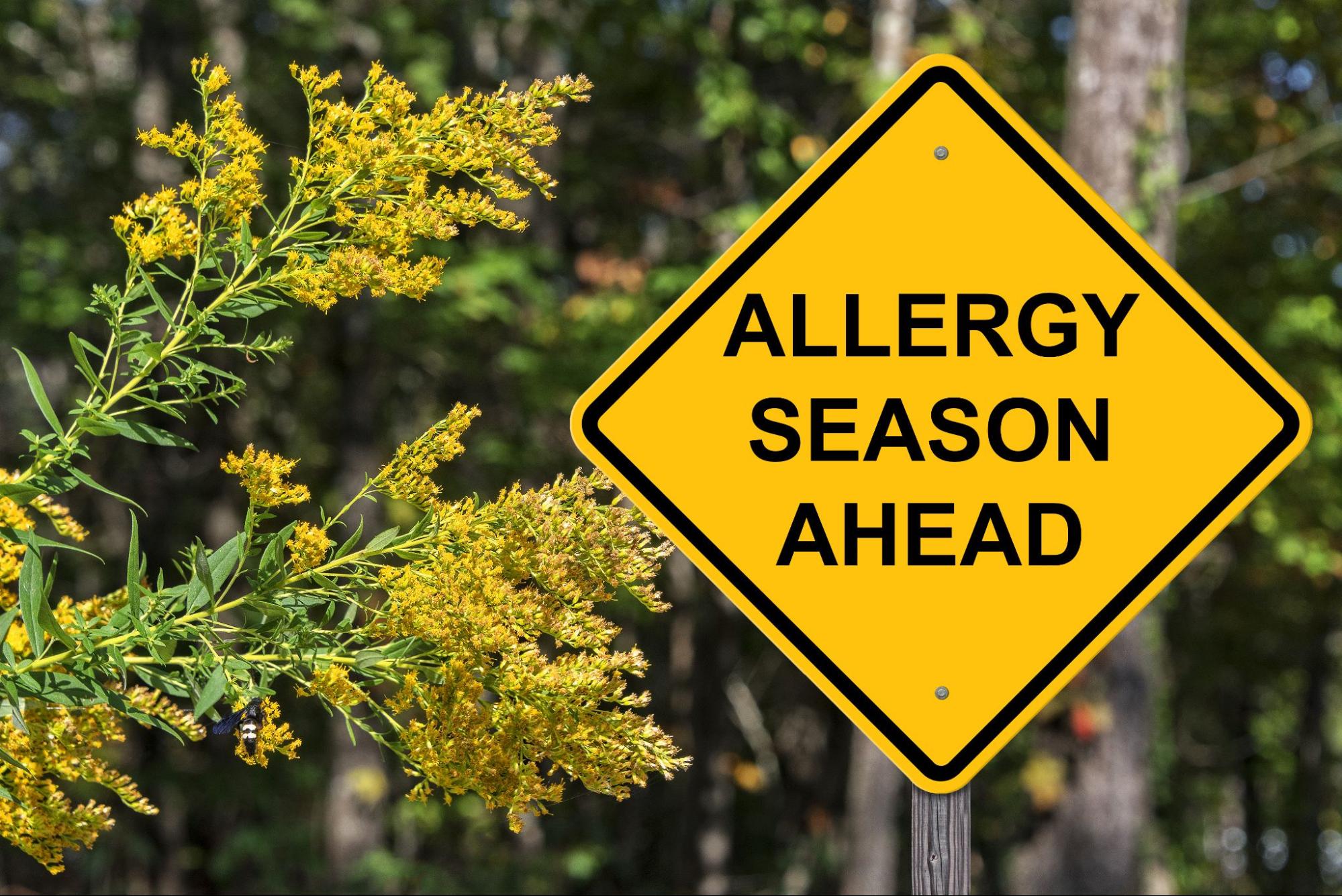
The right allergy treatment depends on the trigger, the severity of the reaction, and how allergy symptoms affect daily life. Some people find relief by limiting exposure to allergy triggers or taking over-the-counter medications. Others may need prescription medication, allergy shots, or another form of immunotherapy.
Avoidance of Triggers
Limiting exposure to known allergy triggers can reduce the frequency and severity of allergy symptoms. Strategies may differ for environmental allergens, seasonal allergies, food allergies, and other allergic conditions.
Helpful environmental-control measures may include:
- Checking pollen counts and keeping windows closed when levels are high
- Showering and changing clothes after spending time outdoors
- Washing bedding regularly in hot water
- Using dust-mite covers on mattresses and pillows
- Addressing indoor moisture and visible mold
- Keeping pets out of the bedroom if pet allergens cause symptoms
- Reading food and medication labels carefully
- Avoiding smoke, fragrances, and other irritants that aggravate symptoms
Complete avoidance is not always possible, especially with seasonal allergies, dust mites, or pet allergens. An allergist can identify likely triggers and recommend realistic ways to reduce exposure.
Over-the-Counter Medications
Several nonprescription medications can help control allergy symptoms:
Antihistamines block the effects of histamine, a substance released during an allergic reaction. They may relieve sneezing, itching, a runny nose, watery eyes, and hives.
Decongestants provide short-term relief from nasal congestion. They are not appropriate for everyone and should be used as directed.Nasal corticosteroids reduce inflammation inside the nose. They are commonly used to treat allergic rhinitis and often work best when taken consistently.Some allergy medications can cause drowsiness or interact with other medicines. Patients with high blood pressure, glaucoma, heart conditions, or other medical concerns should ask a healthcare professional which products are appropriate.⁶
Prescription Medications
An allergist may recommend prescription treatment when symptoms are severe or do not respond to over-the-counter options.
Leukotriene modifiers block chemicals that contribute to allergic inflammation. They may be used in certain cases of allergic rhinitis or asthma. Biologic medications target specific parts of the immune response and may be considered for conditions such as severe allergic asthma, chronic hives, nasal polyps, or moderate-to-severe eczema.
The most appropriate medication depends on the condition being treated, the patient’s health history, and how symptoms have responded to previous allergy treatment.⁶
Allergy Shots (Immunotherapy)
Allergy shots are a form of immunotherapy that gradually exposes the immune system to controlled amounts of specific allergens. Treatment begins with small doses that increase over time, followed by a maintenance phase. The goal is to reduce sensitivity to the allergen and provide lasting relief.
“Allergy shots are a very effective long-term treatment that can markedly decrease the underlying allergic reactions at the root, thereby allowing patients to be more comfortable,” explains Dr. Sheth.
An allergist may recommend allergy shots when environmental allergens are difficult to avoid, medications do not provide enough relief, or a patient wants to reduce long-term reliance on symptom-control medications. Allergy shots require a consistent schedule and are administered in a medical setting because serious reactions, though uncommon, can occur.
Sublingual Immunotherapy (SLIT)
Sublingual immunotherapy is another long-term allergy treatment. It delivers a measured allergen dose in a tablet placed under the tongue. FDA-approved SLIT tablets are available for certain grass, ragweed, and dust-mite allergies. They are intended to treat allergic rhinitis, with or without allergic eye symptoms, rather than provide immediate relief.
The first dose is generally administered under medical supervision. Later doses may be taken at home according to the prescribed schedule. SLIT is not available for every allergen, so an allergist must determine if it is appropriate based on symptoms and allergy testing.7
Allergies and Asthma
Asthma and allergies often occur together. Exposure to pollen, dust mites, mold, pets, or other allergens may trigger airway inflammation in people with allergic asthma. Symptoms can include coughing, wheezing, chest tightness, and shortness of breath.
Poorly controlled nasal allergies may make respiratory symptoms harder to manage. Coordinated care allows an allergist to evaluate allergy symptoms and asthma-related concerns together. A treatment plan may include allergen avoidance, nasal medication, asthma medication, and immunotherapy.
Anyone experiencing new or worsening breathing problems should seek medical evaluation. Severe difficulty breathing requires emergency care.
When to See an Allergy Specialist
“People should see their doctor or allergist if they have allergy symptoms that are not controlled on OTC meds,” says Dr. Sheth. “Also, symptoms such as dizziness, vertigo, hearing loss, and ear fullness or a popping sensation should prompt a visit to an ENT specialist.”
Consider scheduling an evaluation if you experience:
- Allergy symptoms that continue despite over-the-counter treatment
- Recurrent or persistent nasal and sinus problems
- A suspected food allergy
- A possible allergic reaction to medication
- Frequent hives or unexplained swelling
- Asthma symptoms associated with allergen exposure
- A previous severe allergic reaction
- Symptoms that interfere with sleep, school, work, or exercise
- Ear pressure, hearing changes, dizziness, or vertigo
An allergist can perform allergy testing and provide an allergy diagnosis based on a patient’s symptoms, health history, physical examination, and test results.
Call 911 for signs of anaphylaxis, including trouble breathing, throat or tongue swelling, faintness, or symptoms affecting several areas of the body. If epinephrine has been prescribed, use it immediately as directed and seek emergency medical care. Epinephrine is the first-line treatment for anaphylaxis.
Frequently Asked Questions
Are allergies curable?
Most allergies do not have a permanent cure, but they can often be controlled. Avoiding allergy triggers, taking medication, and receiving immunotherapy may substantially reduce symptoms. Some allergies change over time, so periodic evaluation can help keep the treatment plan aligned with a patient’s needs.
Can allergies cause fatigue?
Yes. Allergy symptoms can disrupt sleep and make breathing through the nose difficult. Dr. Sheth adds that fatigue may also result from the body-wide release of inflammatory mediators. Drowsiness caused by some antihistamines may contribute as well.
Can you get pink eye from allergies?
Allergies can cause allergic conjunctivitis, which may make the eyes red, itchy, watery, or swollen. It commonly affects both eyes and is not contagious. Eye pain, sensitivity to light, thick discharge, or vision changes may indicate another condition and should be evaluated promptly.
Can allergies cause headaches?
Nasal congestion and pressure may contribute to headaches in some people. However, headaches have many possible causes, including migraine and infection. Frequent or severe headaches should not automatically be attributed to allergies.
Can allergies cause fever?
Seasonal allergies and other environmental allergies do not typically cause a fever. A fever may point to an infection or another illness, particularly when it occurs with body aches, chills, or worsening pain.
Can allergies cause vertigo?
Allergy-related congestion and pressure may affect the ears and contribute to dizziness or balance symptoms. Increased pressure in the nasal and sinus area may affect the middle ear, which plays a role in balance. Vertigo, hearing loss, persistent ear fullness, or sudden balance problems should be evaluated by an ENT specialist because these symptoms may have causes unrelated to allergies.
Find Relief With ENT & Allergy Associates
Allergy symptoms can affect breathing, sleep, concentration, and everyday comfort, but an individualized allergy treatment plan can make them easier to manage. The allergists at ENT & Allergy Associates provide allergy testing, allergy diagnosis, medication management, and immunotherapy for adults and children.
Patients can find specialized allergy care at convenient locations throughout New Jersey, New York, Pennsylvania, and Texas. Book an appointment online to discuss persistent symptoms, possible allergy triggers, and available treatment options.
Sources:
- American Academy of Allergy, Asthma, & Immunology. Food Intolerance Versus Food Allergy.
- U.S. Department of Agriculture. Food Allergies: The “Big 9”.
- Asthma and Allergy Foundation of America. Drug Allergy and Other Adverse Reactions to Drugs.
- The American College of Allergy, Asthma & Immunology. Skin Allergy.
- The American College of Allergy, Asthma & Immunology. Insect Sting Allergies.
- Medical News Today. Everything You Need to Know About Allergies.
- The American College of Allergy, Asthma & Immunology. Immunotherapy With Allergy Tablets.