
Smoking and ENT health are directly connected, as the ear, nose, and throat are constantly exposed to the air we breathe, making these tissues especially sensitive to the harmful chemicals found in cigarettes and vaping products.
Whether from tobacco smoke or vaporized aerosols, these substances irritate delicate airway linings, triggering both short-term symptoms and long-term damage. Key impacts include damage to the protective mucosal tissue and cilia that normally clear irritants from the nose, sinuses, throat, and ears, reducing the body’s ability to clear contaminants effectively.¹
This repeated exposure also leads to inflammation, chronic swelling, excess mucus production, and tissue irritation. Furthermore, nicotine narrows blood vessels, reducing blood flow to tissues throughout the body. This can impair healing in the throat and sinuses and may contribute to long-term tissue damage.²
Ahead, we’ll explain how smoking and vaping can affect the ears, nose, and throat, including common symptoms, long-term risks, and signs that it may be time to see an ENT specialist.
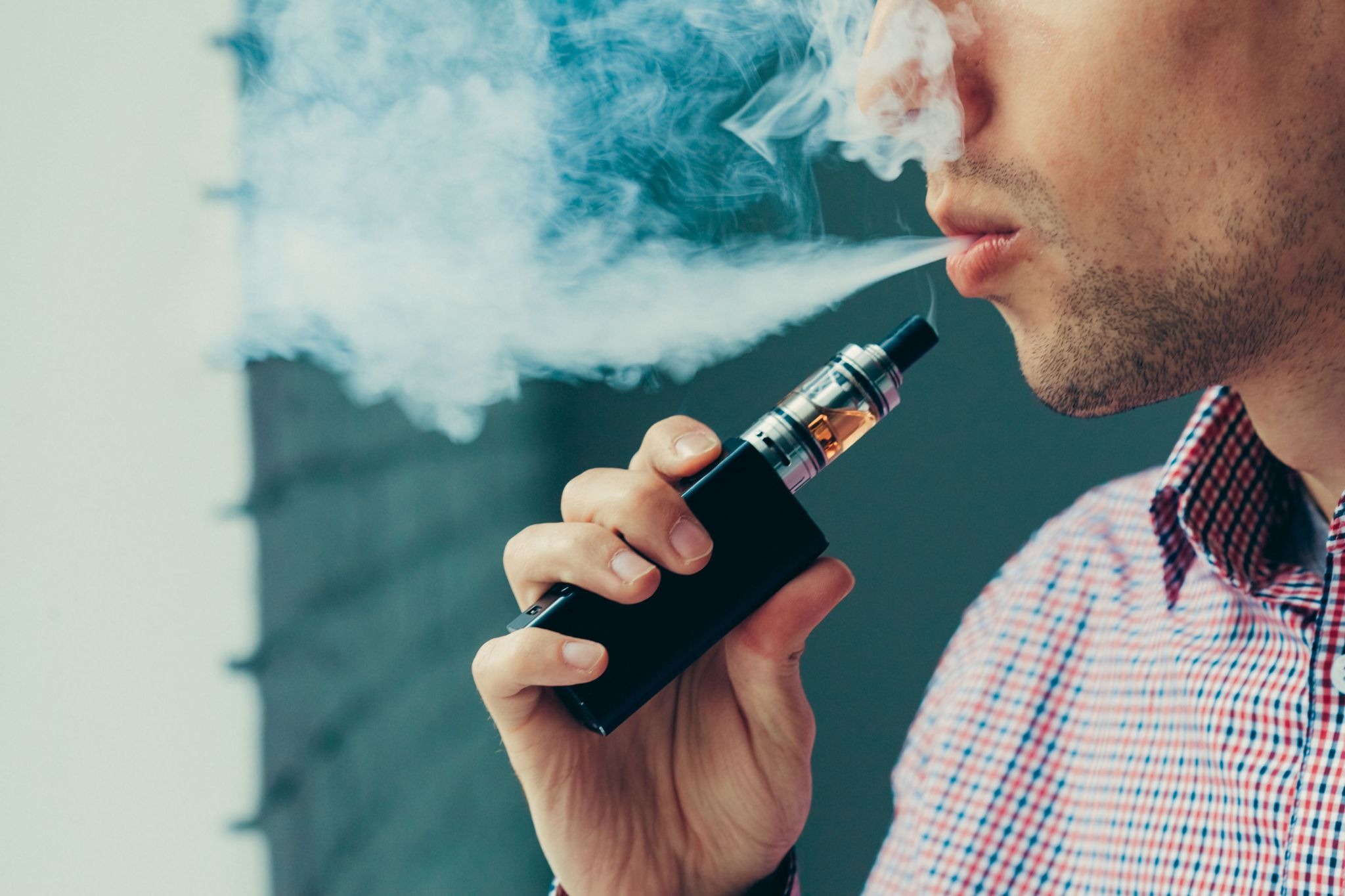
How Smoking Affects Your Sinuses and Nose
Chronic Sinus Inflammation
Smoking is strongly associated with chronic irritation of the nasal passages and sinuses. The chemicals in tobacco smoke inflame the sinus lining, causing swelling and increased mucus production.
Over time, this inflammation may block normal sinus drainage pathways, leading to pressure, congestion, facial discomfort, and difficulty breathing through the nose.
People who smoke often report:
- Persistent nasal congestion
- Frequent sinus pressure
- Postnasal drip
- Thick mucus production
Increased Risk of Sinus Infections
Healthy cilia help remove bacteria and debris from the sinuses. Smoking damages these protective mechanisms, allowing mucus and bacteria to remain trapped inside the sinus cavities.
As a result, smokers may experience:
- Recurrent sinus infections
- Longer-lasting sinus symptoms
- Increased bacterial growth
- Chronic sinusitis
This connection between smoking and sinus infections is well documented, especially among people with existing allergies or chronic nasal inflammation.
Loss of Smell
Smoking may also affect the sense of smell. Chronic irritation can damage olfactory receptors responsible for detecting odors and reduce airflow through the nasal passages.
Some people notice gradual smell loss over time, while others experience temporary reductions during periods of increased inflammation or infection.
Effects of Smoking and Vaping on the Throat
Chronic Throat Irritation
One of the most common ENT symptoms from vaping and smoking is persistent throat irritation.
Both cigarette smoke and vape aerosols can dry and inflame throat tissues, causing symptoms such as:
- Burning sensation
- Sore throat
- Dryness
- Frequent throat clearing
- Irritation when swallowing
Many vaping products contain chemicals and flavoring agents that may worsen throat discomfort.³
Voice Changes and Hoarseness
Smoking and vaping can significantly affect the vocal cords and voice quality.
Chronic irritation may lead to inflammation and swelling of the vocal folds, resulting in:
- Hoarseness
- Raspy voice
- Voice fatigue
- Reduced vocal range
Long-term smoking is also linked to Reinke’s edema, a condition in which fluid accumulates within the vocal cords, causing a deepened or rough-sounding voice.
Professional voice users, including teachers, singers, and public speakers, may notice these changes earlier because of frequent vocal strain.
Chronic Cough
A chronic cough from vaping or smoking often develops as the airways become irritated and inflamed.
Smoking-related cough is commonly associated with:
- Excess mucus production
- Postnasal drip
- Airway inflammation
“Smoker’s cough” is often productive, meaning mucus is brought up when coughing. Vaping-related cough may feel drier or more irritating but can still become persistent over time.
How Smoking and Vaping Impact Ear Health
Eustachian Tube Dysfunction
The eustachian tubes connect the middle ears to the back of the nose and help regulate ear pressure. Smoking can inflame the lining of these tubes, leading to poor ventilation and pressure imbalance.
Symptoms of eustachian tube dysfunction may include:
- Ear fullness
- Popping sensations
- Muffled hearing
- Ear pressure
- Mild dizziness
Increased Ear Infections
Children exposed to secondhand smoke have a higher risk of ear infections because smoke exposure irritates the upper airway and affects eustachian tube function.⁴
Secondhand smoke may contribute to:
- Recurrent ear infections
- Fluid buildup behind the eardrum
- Increased need for ear tubes in children
Smoking and Hearing Loss
Research suggests smoking may also increase the risk of hearing loss.
Possible contributing factors include:
- Reduced blood flow to the inner ear
- Increased oxidative stress
- Damage to delicate hearing structures
Smoking combined with loud noise exposure may further increase the likelihood of hearing damage over time.
Long-Term Risks to ENT Health
Head and Neck Cancer
One of the most serious long-term risks associated with smoking is head and neck cancer.⁵
Smoking significantly increases the risk of cancers involving the:
- Throat
- Voice box (larynx)
- Mouth and tongue
- Nasal cavity
- Sinuses
Alcohol use combined with smoking can compound this risk even further.
Warning signs that should never be ignored include:
- Persistent hoarseness
- Difficulty swallowing
- Unexplained throat pain
- Mouth sores that do not heal
- Lump in the neck
- Persistent ear pain
Chronic Obstructive Airway Changes
Long-term smoking can also cause structural changes throughout the airways.
Persistent inflammation may lead to:
- Tissue thickening
- Airway narrowing
- Chronic mucus production
- Reduced airflow
These changes can affect breathing quality and contribute to chronic respiratory symptoms.

Is Vaping Safer for ENT Health?
Many people view vaping as a safer alternative to smoking because e-cigarettes do not involve tobacco combustion. While vaping may expose users to fewer combustion-related toxins, it is not risk-free.
Vape aerosols still contain potentially harmful substances, including:⁶
- Nicotine
- Ultrafine particles
- Heavy metals
- Volatile organic compounds
- Chemical flavoring agents
Certain flavoring chemicals have been linked to airway irritation and inflammation.
Current research on vaping and ENT health is still evolving, but studies already suggest associations with:
- Chronic throat irritation from vaping
- Increased coughing
- Voice changes
- Nasal irritation
- Airway inflammation
Because vaping products are relatively new compared to traditional cigarettes, long-term effects are still being studied.
Secondhand Smoke and Vaping Exposure
Secondhand exposure is also an important health concern, particularly for children.
Children exposed to cigarette smoke or vaping aerosols may experience:
- More frequent ear infections
- Increased asthma symptoms
- Worsened allergies
- Chronic nasal irritation
- Increased respiratory infections
Household smoke exposure can affect overall ENT health even if the child or family member does not smoke directly.
Reducing indoor exposure is an important step in protecting vulnerable individuals.
When to See an ENT Specialist
Smoking and vaping symptoms are sometimes dismissed as minor irritation, but persistent symptoms should be evaluated by a medical professional.
You should consider seeing an ENT specialist if you experience:
- Hoarseness lasting more than 2–3 weeks
- Chronic sinus pressure or congestion
- Difficulty swallowing
- Persistent cough
- Ear fullness or hearing changes
- Unexplained throat pain
- Frequent sinus infections
- Lump in the neck
Early evaluation can help identify inflammation, chronic conditions, or more serious complications before they progress.
Protect Your ENT Health Before Smoking and Vaping Cause Long-Term Damage
Smoking and vaping can contribute to chronic sinus problems, throat irritation, coughing, hearing concerns, and increased risk of serious ENT complications over time. Protecting smoking and ENT health concerns early may help reduce long-term complications and improve overall airway function.
Even symptoms that seem minor at first may point to ongoing inflammation or tissue damage that should not be ignored. The specialists at ENT & Allergy Associates provide evaluation and treatment for sinus issues, throat symptoms, hearing concerns, and other conditions related to smoking and vaping exposure.
Find a convenient location in:
Patients can alsobook an appointment online for evaluation and care.