
The common cold is a viral infection that affects the upper respiratory tract, including the nose, throat, and sinuses. It is one of the most frequent illnesses in both children and adults and is responsible for millions of missed school and work days each year.
More than 200 viruses can cause a cold, but rhinoviruses are the most common culprit.¹ Symptoms are usually mild and improve on their own within about a week to 10 days.
Because colds are caused by viruses, antibiotics do not treat them. Antibiotics only work against bacterial infections and should not be used for viral illnesses unless prescribed for a confirmed bacterial complication, such as a sinus infection or pneumonia.
What Causes the Common Cold?
Colds spread easily from person to person through:
- Respiratory droplets released when someone coughs or sneezes
- Close personal contact
- Touching contaminated surfaces and then touching the nose, mouth, or eyes
People of all ages can catch colds, but certain factors increase the risk, including:
- Young age, especially children in daycare or school
- Spending time in crowded environments
- Weakened immune systems
- Seasonal changes during fall and winter
Many people wonder why colds are more common during colder months. Researchers believe this is due to people spending more time indoors in close contact with others, combined with seasonal viral circulation.² Dry winter air may also affect the nasal passages and make viral spread easier.

Common Cold Symptoms
Cold symptoms can vary from person to person, but they typically develop gradually.
Early Symptoms
During the first one to three days, symptoms may include:
- Scratchy or sore throat
- Sneezing
- Mild fatigue
- Runny nose
Peak Symptoms
Symptoms often become more noticeable around days four through seven and may include:
- Stuffy or congested nose
- Cough
- Mild body aches
- Headache
- Low-grade fever, especially in children
Mucus may also become thicker or change color during this stage. This does not necessarily mean a bacterial infection is present.
Late/Resolving Stage
As the cold improves, lingering symptoms may include:
- Mild nasal congestion
- Occasional cough
- Postnasal drip
- Gradual return of energy
A cough may persist longer than other symptoms, even after the infection itself has resolved.
Stages of a Cold
Understanding the stages of a cold can help you know what to expect.
Day 1–3: Onset
The first signs of a cold are often a sore throat, sneezing, and mild tiredness. Nasal symptoms typically begin shortly afterward.
Day 4–7: Peak Congestion and Cough
This is usually the most uncomfortable stage. Congestion, coughing, and fatigue may worsen as the immune system responds to the virus.
Day 8–10: Recovery Phase
Most people begin feeling significantly better by this stage. Congestion lessens, energy returns, and coughing gradually improves.
When Symptoms May Last Longer
Some symptoms, particularly cough and congestion, can linger for two weeks or more. However, worsening symptoms or symptoms that fail to improve may indicate another condition, such as a sinus infection, flu, or bronchitis.
How Long Does a Cold Last?
A typical common cold lasts about seven to ten days.³ Some people recover more quickly, while others may have lingering symptoms for up to two weeks.
A cough often lasts the longest because the airways may remain irritated after the infection clears.
You should pay closer attention if symptoms:
- Persist beyond 10–14 days
- Become progressively worse
- Include high fever
- Cause significant facial pain or shortness of breath
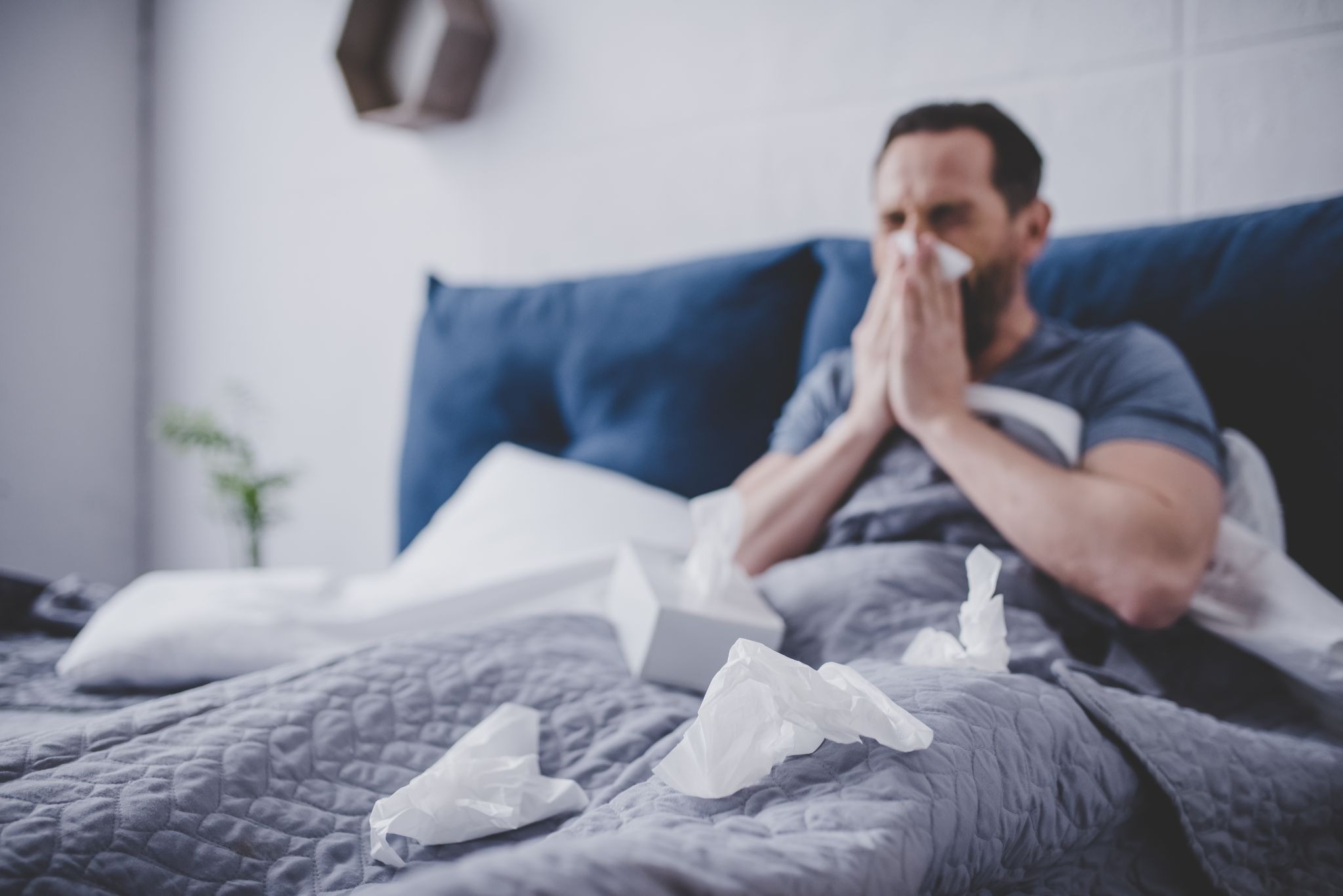
How Long Is a Cold Contagious?
A cold is usually most contagious during the first two to three days after symptoms begin, although people may spread the virus before they realize they are sick.⁴
You may continue to spread a cold virus while symptoms are present, especially if coughing and sneezing continue.
To reduce transmission:
- Wash hands frequently
- Avoid sharing drinks or utensils
- Cover coughs and sneezes
- Stay home when possible during peak symptoms
- Disinfect commonly touched surfaces
Common Cold Treatment
There is no cure for the common cold, but treatments can help relieve symptoms and support recovery.
At-Home Symptom Relief
Helpful home remedies include:
- Getting extra rest
- Drinking plenty of fluids
- Using humidified air or a humidifier
- Trying saline nasal sprays or rinses
- Gargling warm salt water for sore throat discomfort
Warm liquids such as soup or tea may also provide temporary relief.
Over-the-Counter Options
Over-the-counter medications may help manage symptoms, including:
- Decongestants for nasal congestion
- Antihistamines for sneezing and runny nose
- Cough suppressants for persistent cough
- Pain relievers for headaches, fever, and body aches
Always follow medication instructions carefully, especially for children. Some cold medications are not recommended for young children.
What Does Not Work
Antibiotics do not treat viral infections like the common cold and should not be taken unless prescribed for a bacterial infection.
Many supplements and unproven cold remedies lack strong scientific evidence. While some people find certain remedies comforting, results can vary significantly.
Cold vs. Flu vs. Allergies
Many respiratory illnesses share similar symptoms, making it difficult to tell them apart.
Cold vs. Flu
The flu usually develops more suddenly and causes more severe symptoms than a cold.
Symptom | Common Cold | Flu |
Onset | Gradual | Sudden |
Fever | Rare or mild | Common and higher |
Body aches | Mild | Often severe |
Fatigue | Mild | Significant |
Nasal congestion | Common | Sometimes |
Cough | Mild to moderate | Often more severe |
Cold vs. Allergies
Allergies are caused by immune reactions to triggers such as pollen, dust, or pet dander and are not contagious.
Symptom | Common Cold | Allergies |
Fever | Sometimes mild | No |
Itchy eyes/nose | Rare | Common |
Sneezing | Common | Common |
Seasonal pattern | More common in fall/winter | Depends on trigger |
Duration | 7–10 days | Can persist for weeks or months |
Cold Prevention Tips
While you cannot completely eliminate the risk of catching a cold, certain habits can help reduce your chances.
Helpful prevention strategies include:
- Washing hands regularly with soap and water
- Avoiding touching the face
- Cleaning frequently touched surfaces
- Getting enough sleep
- Eating a balanced diet and staying hydrated
- Avoiding close contact with sick individuals
- Wearing a mask in high-risk or crowded settings when appropriate
Children, older adults, and people with chronic health conditions may benefit from taking extra precautions during cold and flu season.
When to See a Doctor
Most colds improve without medical treatment, but some symptoms may require evaluation by a healthcare professional.
You should consider seeing a doctor if you experience:
- High fever
- Symptoms lasting longer than 10 days
- Severe sinus pain or swelling
- Wheezing or shortness of breath
- Chest pain
- Significant worsening after initial improvement
People with asthma, chronic lung disease, weakened immune systems, or other underlying conditions should seek medical guidance sooner if symptoms worsen.
Frequently Asked Questions
Can you get a cold in the summer?
Yes. While colds are more common during fall and winter, cold viruses circulate year-round.
Can cold weather cause a cold?
Cold weather itself does not directly cause a cold. Viruses cause colds, although indoor crowding and seasonal factors may increase transmission during colder months.
Why do children get more colds than adults?
Children are exposed to many new viruses in schools and daycare settings and have not yet built immunity to as many cold viruses as adults.
Can you exercise with a cold?
Light exercise may be reasonable for mild symptoms above the neck, such as sneezing or congestion. However, rest is recommended if you have fever, body aches, chest symptoms, or significant fatigue.
Get Treatment for Symptoms Today
The common cold is usually mild, but symptoms can still disrupt daily life and occasionally lead to complications. Understanding common cold symptoms, stages, treatment options, and prevention strategies can help you recover more comfortably and recognize when medical attention may be needed.
If your symptoms persist or worsen, the specialists atENT & Allergy Associates provide comprehensivecold and flu treatment for patients of all ages.
Find a convenient location in:
Patients can also book an appointment online for evaluation and care.
Sources
- CDC. About the Common Cold.
- MedlinePlus. Common Cold.
- Mayo Clinic. Common Cold Diagnosis and Treatment.
- WebMD. Common Cold Basics.