
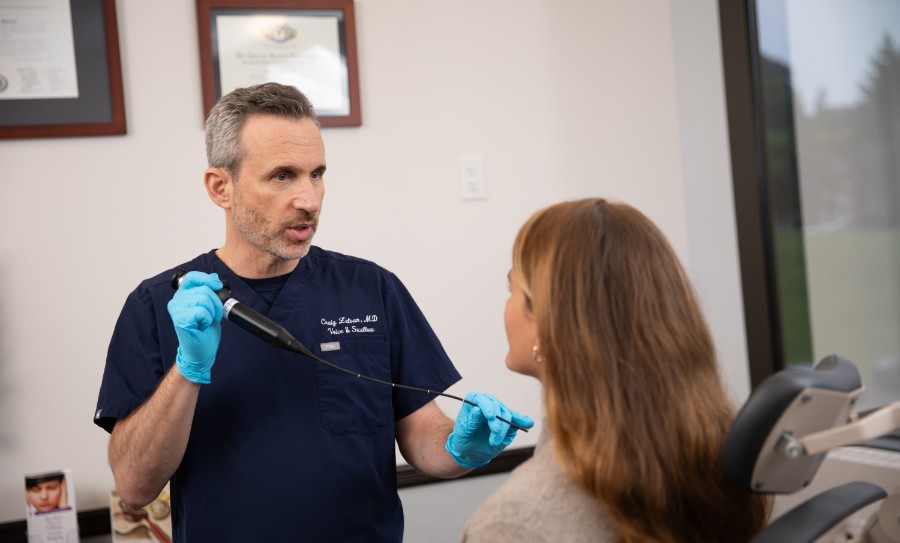
Vestibular testing involves a series of tests used to determine if there is something wrong with the vestibular portion of the inner ear.
Diagnostic Tests for the Vestibular System
The vestibular system is complex and responsible for many of the body’s functions. Studies indicate vestibular testing is extremely thorough and accurate in identifying inner ear disorders, including dizziness. Vestibular testing is also helpful in determining whether additional diagnostic testing, such as an MRI, is needed. A battery of tests is administered in most cases. These measure eye movements, head movements, hearing and more. The most common ones include:
Audiological Assessment
The audiological assessment is used to determine the type and degree of hearing loss. You will be seated in a sound-treated booth with headphones or ear inserts. You will be asked to respond to a series of tones / beeps at various frequencies. You will also be asked to repeat words back to the audiologist. During the second portion of the test, a small earpiece will be inserted into your ear canal to determine your eardrum mobility. The duration of the test is several seconds and no response is required.
Videonystagmography (VNG)
Videonystagmography (VNG) tests the portion of the inner ear responsible for maintaining balance. Video goggles record your eye movement throughout the procedure. There are three parts to the test. First, you will follow light patterns with your eyes. Next, recordings will be made as you move into various positions on the testing table. Finally, your ears will be irrigated with cool and warm air while you are in a reclining position. The cooling and warming effects of the air may result in temporary sensations of dizziness. While this test may be uncomfortable, it is not painful.
Computerized Dynamic Posturography (CDP)
Computerized dynamic posturography (CDP) is a test of your ability to maintain balance on a movable platform. First, you will be asked to stand quietly. Next, your balance will be measured in various conditions, such as with your eyes open, eyes closed, with the surround moving, or a combination of those conditions. You will be harnessed to the machine to prevent you from falling in the event you should lose your balance.
Auditory Brainstem Response (ABR)
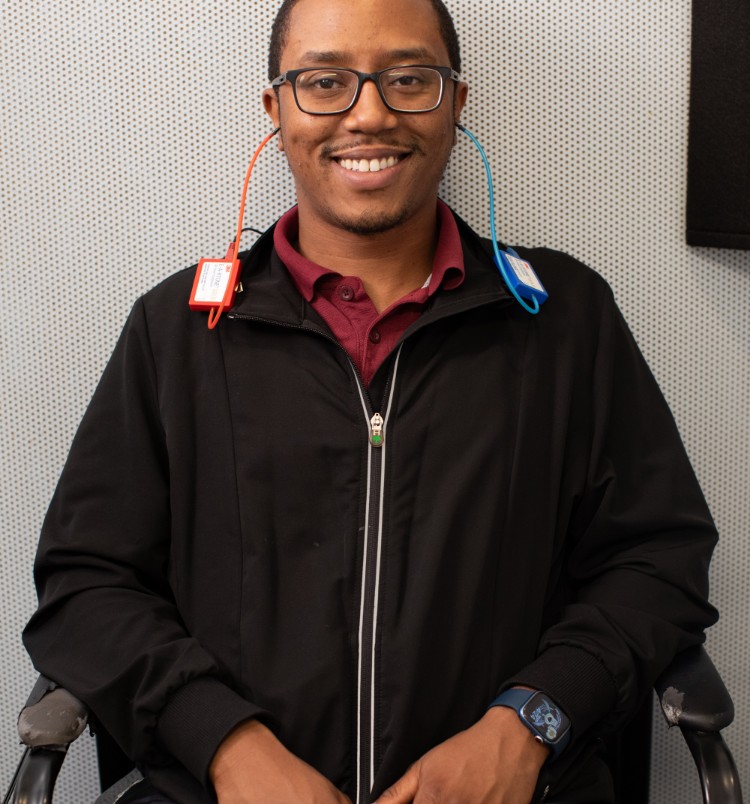
The auditory brainstem response (ABR) tests the response of the auditory pathway from the cochlea to the brainstem. Sensors are placed on your ears and head as you listen to a series of clicks presented through earphones. You will be asked to lie quietly with your eyes closed; however, no response is required from you during the test. The ABR helps diagnose certain types of inner ear and/or brainstem conditions.
Electrocochleography (ECOG)
Electrocochleography (ECOG) tests a response from the cochlea. Sensors are placed on your ears and head as you listen to a series of clicks presented through earphones. You will be asked to lie quietly with your eyes closed; however, no response is required from you during the test. The ECOG helps diagnose certain types of inner ear conditions.
Vestibular Evoked Myogenic Potentials (VEMP)
Vestibular evoked myogenic potentials (VEMP) tests the lower portion of the auditory pathway and is helpful to diagnose certain balance and inner ear disorders. Sensors are placed on your head as you listen to a series of clicks. You will be asked to move your body for several seconds, while the sound is ongoing. You may be asked to raise the upper half of your torso or turn your neck to the side.
Rotary Chair
The rotary chair test measures how well the vestibulo-ocular reflex (VOR) functions. The VOR allows you to maintain stable vision while your head is moving. The patient sits in a computerized chair that rotates at varying speeds in a darkened room. Eye movements are recorded to assess the VOR and detect any weaknesses in the vestibular system on one side or the other.
These tests may be combined with additional hearing or diagnostic tests depending on the results.
If dizziness or balance problems are affecting your daily life, scheduling an evaluation is an important first step. Our audiology team provides vestibular testing at locations across New York, New Jersey, and Texas, making it easier to get the support you need close to home. A specialist will guide you through the testing process and help you understand what your results mean so you can move toward clearer answers and better balance. Contact us today to schedule your vestibular evaluation and begin the path toward improved stability and comfort.
Dedicated to Providing Convenient and Exceptional Care

Patient Stories
-
"Very professional staff from the audiologist to the physician and the dr taught me something about hearing loss I was not aware of"
- Acrawl75 -
"Very professional, kind, and caring doctor. listens to you and how you feel, and also explains everything to you about what is going on. Would definitely recommend him to everyone I know."
- Michael P. -
"Beyond expectations, I felt comfortable, at ease, and left without any questions unanswered, knowing that his approach to my situation was working and the right course of treatment."
- R.E.
Less Sick Days, More Living