
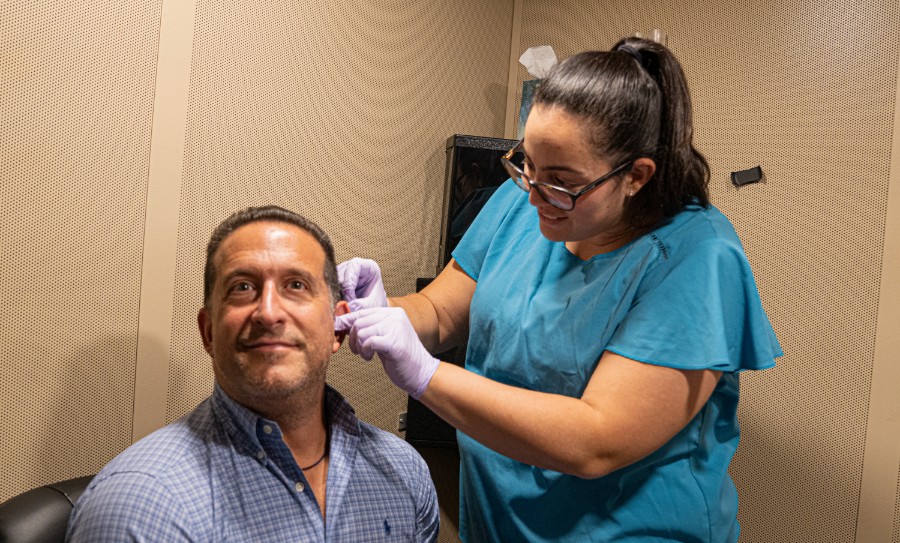
div class="raw-html-embed">
Audiology Services: Comprehensive Hearing Care for Children and Adults
At ENT & Allergy Associates, we provide comprehensive audiology services for patients of all ages across New York, New Jersey, Texas, and Pennsylvania (coming soon). Our integrated approach combines the expertise of board-certified audiologists with the medical knowledge of ENT physicians to deliver exceptional hearing healthcare in one convenient location.
Hearing plays a critical role in communication, learning, social engagement, and overall quality of life. Whether you are experiencing hearing loss symptoms, tinnitus, dizziness, balance concerns, or communication difficulties, our experienced hearing specialists are equipped to identify the cause and develop a personalized treatment plan.
Unlike standalone audiology clinics, our patients benefit from direct collaboration between audiologists and ENT physicians. This team-based approach ensures that hearing concerns are thoroughly evaluated and that medical, surgical, rehabilitative, and hearing aid solutions are all available when needed. Since many hearing disorders are connected to underlying ear conditions, having both specialists involved can lead to faster diagnoses and more effective treatment.
From diagnostic hearing evaluations and pediatric hearing testing to advanced hearing aid services and vestibular assessments, our audiology team is committed to helping patients achieve better hearing health and improved quality of life.
What Is Audiology?
Audiology is the branch of healthcare focused on the prevention, diagnosis, treatment, and management of hearing, balance, and communication disorders. Audiology services are provided by audiologists—highly trained healthcare professionals who specialize in evaluating hearing function and identifying conditions that affect the auditory and vestibular systems.
Audiologists work with patients of all ages, from newborns and young children to adults and seniors. They perform hearing evaluations, diagnose hearing disorders, recommend treatment options, fit hearing aids, and help patients manage hearing-related challenges.
Many people associate audiology solely with hearing loss, but audiologists also evaluate tinnitus (ringing in the ears), dizziness, balance disorders, speech and language concerns related to hearing, and auditory processing difficulties.
You may benefit from seeing an audiologist if you notice difficulty understanding conversations, frequently ask people to repeat themselves, experience ringing in the ears, struggle to hear in noisy environments, or have concerns about a child's hearing or speech development.
Early evaluation and treatment can help protect hearing health, improve communication, and prevent hearing problems from interfering with daily life.
Signs You Should Schedule a Hearing Evaluation
Hearing changes often occur gradually, making them easy to overlook. A professional hearing evaluation can identify issues before they significantly affect communication, work performance, education, or quality of life.
Common signs that it may be time to schedule a hearing test include:
- Frequently asking people to repeat themselves
- Difficulty following conversations in restaurants or crowded settings
- Increasing the television or radio volume more than others prefer
- Ringing, buzzing, or humming sounds in the ears (tinnitus)
- Trouble hearing on the phone
- Feeling that people are mumbling when they speak
- Missing important sounds such as alarms, doorbells, or notifications
- Experiencing dizziness or balance concerns
- Sudden changes in hearing ability
For children, warning signs may include delayed speech development, inconsistent responses to sounds, academic challenges, or frequent ear infections.
A hearing screening or comprehensive hearing evaluation can determine whether hearing loss or another condition is present and help guide appropriate treatment.
Common Hearing Problems We Help Evaluate
Our hearing specialists provide expert evaluation and care for a wide range of hearing concerns and hearing disorders. Whether symptoms develop gradually or suddenly, a thorough audiology evaluation can help identify the underlying cause.
Common hearing problems we evaluate include:
- Hearing loss
- Tinnitus (ringing in the ears)
- Difficulty understanding speech
- Trouble hearing in noisy environments
- Balance and dizziness concerns
- Recurrent ear infections
- Sudden changes in hearing
- Speech and language concerns in children
- Auditory nerve disorders
- Congenital hearing conditions
Our audiologists also work closely with ENT physicians to evaluate hearing problems associated with conditions such as otitis media, otitis externa, otosclerosis, tympanic membrane perforations, cholesteatoma, Eustachian tube dysfunction, Meniere's disease, and sensorineural hearing loss.
Every patient receives personalized care focused on identifying the source of symptoms and developing an effective treatment plan.
Comprehensive Hearing Testing and Diagnostic Services
Accurate diagnosis is the foundation of effective hearing care. Our audiologists utilize advanced diagnostic hearing testing and audiology evaluation techniques to assess hearing function, identify hearing disorders, and recommend the most appropriate treatment options.
Adult Hearing Evaluations
Adult hearing evaluations assess hearing sensitivity, speech understanding, and overall auditory function. These evaluations help diagnose hearing loss, tinnitus-related concerns, and communication difficulties.
Testing may include:
- Pure-tone audiometry
- Speech recognition testing
- Tympanometry
- Acoustic reflex testing
- Middle ear assessments
Results provide valuable information about the type and severity of hearing loss and help guide treatment recommendations.
Pediatric Hearing Evaluations
Children require specialized hearing assessments tailored to their developmental stage. Our pediatric audiologists use age-appropriate testing methods to evaluate hearing in infants, toddlers, school-aged children, and adolescents.
Pediatric evaluations help identify hearing problems that may affect:
- Speech and language development
- Academic performance
- Social interaction
- Learning abilities
Early detection can significantly improve long-term outcomes.
Diagnostic Audiologic Testing
When hearing concerns require further investigation, diagnostic audiologic testing provides detailed information about hearing system function.
Advanced testing may include:
- Otoacoustic emissions (OAE)
- Auditory brainstem response (ABR) testing
- Vestibular assessments
- Speech-in-noise testing
- Auditory processing evaluations
These tests help determine whether hearing problems originate in the outer ear, middle ear, inner ear, auditory nerve, or central auditory pathways.
Hearing Screenings
Hearing screenings provide a quick assessment of hearing ability and may identify individuals who would benefit from a more comprehensive hearing evaluation.
Screenings are commonly recommended for:
- Children entering school
- Adults over age 50
- Individuals exposed to occupational noise
- Patients experiencing new hearing concerns
Types of Hearing Loss We Diagnose
There are several different types of hearing loss, and accurate diagnosis is essential for developing an effective treatment plan.
Sensorineural Hearing Loss
Sensorineural hearing loss occurs when damage affects the inner ear or auditory nerve. This is the most common form of permanent hearing loss and may be caused by aging, noise exposure, genetics, illness, or certain medications.
Conductive Hearing Loss
Conductive hearing loss results from problems affecting the outer or middle ear that prevent sound from reaching the inner ear. Common causes include ear infections, fluid buildup, earwax blockage, and eardrum abnormalities.
Mixed Hearing Loss
Mixed hearing loss involves a combination of sensorineural and conductive hearing loss. Treatment may require both medical management and hearing rehabilitation strategies.
Sudden Hearing Loss
Sudden hearing loss is a medical emergency that requires prompt evaluation. Rapid diagnosis and treatment may improve the likelihood of hearing recovery.
Our audiologists work closely with ENT physicians to determine the cause of hearing loss and develop personalized treatment recommendations.
Ear Conditions Associated With Hearing Problems
Many hearing concerns are linked to underlying ear disorders that require specialized evaluation and treatment. Identifying these conditions is an important part of comprehensive hearing healthcare.
- Ear Infections: Chronic or recurrent infections can affect hearing and may lead to temporary or permanent hearing changes.
- Otosclerosis: Abnormal bone growth within the middle ear can interfere with sound transmission.
- Meniere's Disease: This inner ear disorder may cause hearing loss, tinnitus, dizziness, and episodes of vertigo.
- Eustachian Tube Dysfunction: Pressure abnormalities within the middle ear can contribute to hearing difficulties and discomfort.
- Cholesteatoma: An abnormal skin growth in the middle ear can damage surrounding structures and affect hearing.
- Auditory Nerve Disorders: Conditions affecting the auditory nerve can interfere with sound processing and hearing clarity.
Through collaboration between audiologists and ENT physicians, patients receive comprehensive evaluation and treatment recommendations.
Hearing Aid Services & Advanced Hearing Technology
For many patients, hearing aids play an important role in improving communication and quality of life. Our hearing aid services are designed to help patients find technology that matches their hearing needs, lifestyle, and personal preferences.
Hearing Aid Evaluations
Comprehensive hearing aid evaluations help determine whether hearing aids are appropriate and identify the most suitable technology options.
Hearing Aid Fitting & Programming
Proper hearing aid fitting and programming are essential for optimal performance. Our audiologists customize hearing aid settings based on hearing test results and patient feedback.
Ongoing Support & Maintenance
Hearing care does not end after a fitting appointment. We provide:
- Follow-up adjustments
- Device troubleshooting
- Hearing aid repairs
- Cleaning and maintenance services
- Performance optimization
Modern Hearing Aid Features
Today's digital hearing aids offer advanced features such as:
- Bluetooth connectivity
- Smartphone integration
- Rechargeable batteries
- Noise reduction technology
- Directional microphones
- Artificial intelligence-assisted sound processing
These innovations help improve listening comfort and communication in a variety of environments.
Pediatric Audiology Services
Children rely on healthy hearing for speech development, learning, and social interaction. Our pediatric audiology services provide specialized evaluations and care for infants, children, and adolescents.
Infant Hearing Evaluations
Early hearing screening and evaluation are critical for identifying hearing loss during infancy. Prompt diagnosis allows families to access treatment and intervention services that support communication development.
Childhood Hearing Assessments
Children may experience hearing problems related to ear infections, congenital conditions, genetic factors, or developmental disorders. Comprehensive evaluations help determine the cause and severity of hearing concerns.
Hearing and Speech Development
Hearing plays a vital role in speech and language development. Undiagnosed hearing loss can affect a child's ability to learn sounds, develop vocabulary, and communicate effectively.
School Performance and Hearing Concerns
Hearing difficulties can contribute to classroom challenges, attention concerns, and academic struggles. Children who frequently ask for repetition, misunderstand instructions, or appear inattentive may benefit from a pediatric hearing evaluation.
Our pediatric hearing specialists work closely with families and physicians to support healthy development and long-term success.
Balance and Vestibular Testing
The hearing and balance systems are closely connected within the inner ear. As a result, dizziness, vertigo, and balance disorders often require evaluation by both audiologists and ENT specialists.
Our vestibular testing services help identify conditions affecting the body's balance system and may be recommended for patients experiencing:
- Dizziness
- Vertigo
- Unsteadiness
- Motion sensitivity
- Falls or balance concerns
Vestibular assessments evaluate how the inner ear and brain process balance information. Results help determine whether symptoms are related to vestibular disorders, neurological conditions, or other causes.
Through coordinated care with ENT physicians, patients receive comprehensive evaluation and treatment recommendations designed to improve stability and quality of life.
What to Expect During Your Audiology Appointment
Your audiology appointment is designed to provide a thorough understanding of your hearing health and identify the most appropriate next steps.
Medical History Review
Your audiologist will discuss symptoms, medical history, hearing concerns, noise exposure, medications, and family history.
Hearing Testing
Depending on your age and symptoms, a series of hearing tests may be performed to assess hearing sensitivity, speech understanding, and ear function.
Results Review
Following testing, your audiologist will explain the findings, discuss any hearing loss or related conditions, and answer questions.
Treatment Recommendations
Recommendations may include hearing aids, medical evaluation, hearing protection strategies, additional testing, or ongoing monitoring.
Follow-Up Care
Many patients benefit from follow-up appointments to monitor hearing changes, adjust hearing devices, or reassess symptoms over time.
Why Choose an Integrated Audiology and ENT Team?
Many hearing clinics focus exclusively on hearing testing and hearing aids. At ENT & Allergy Associates, patients benefit from an integrated hearing healthcare team that includes both audiologists and ENT physicians.
This collaborative model offers several advantages:
- Faster diagnosis of hearing disorders
- Access to medical, surgical, and rehabilitative treatment options
- Comprehensive evaluation of ear-related conditions
- Coordinated care between specialists
- Improved communication among providers
- Convenient access to services in one location
Some hearing problems stem from conditions that require medical or surgical treatment rather than hearing aids alone. By working together, audiologists and ENT physicians can identify the underlying cause and recommend the most effective solution.
This multidisciplinary approach helps ensure that every patient receives comprehensive, personalized care.
Audiology Services Across New York, New Jersey, Texas, and Pennsylvania
ENT & Allergy Associates provides convenient access to audiology services through an extensive network of locations.
New York Audiology Services
Patients throughout New York have access to experienced audiologists, advanced diagnostic testing, hearing aid services, and coordinated ENT care.
New Jersey Audiology Services
Our New Jersey audiology clinics provide comprehensive hearing evaluations, pediatric audiology services, and hearing loss treatment options close to home.
Texas Audiology Services
Patients in Texas benefit from the same integrated model of care, combining hearing specialists and ENT physicians under one coordinated healthcare team.
Pennsylvania Audiology Services Coming Soon
As our practice continues to grow, patients in Pennsylvania will soon have access to our comprehensive audiology and hearing healthcare services.
Frequently Asked Questions About Audiology and Hearing Loss
What does an audiologist do?
An audiologist evaluates, diagnoses, and manages hearing and balance disorders. They perform hearing tests, fit hearing aids, and provide hearing healthcare services for patients of all ages.
When should I get a hearing test?
You should schedule a hearing evaluation if you notice hearing difficulties, tinnitus, dizziness, communication challenges, or sudden changes in hearing ability.
What is the difference between an audiologist and an ENT doctor?
Audiologists specialize in diagnosing and managing hearing and balance disorders, while ENT physicians diagnose and treat medical and surgical conditions affecting the ears, nose, and throat.
What causes hearing loss?
Hearing loss may result from aging, noise exposure, genetics, ear infections, medications, injury, inner ear disorders, or underlying medical conditions.
Can hearing loss be treated?
Many forms of hearing loss can be managed through hearing aids, medical treatment, surgical intervention, assistive technology, or hearing rehabilitation.
Are hearing aids covered by insurance?
Coverage varies by insurance plan, age, location, and hearing aid type. Our team can help review available benefits and coverage options.
Can children have hearing evaluations?
Yes. Pediatric hearing evaluations are available for infants, toddlers, school-aged children, and adolescents experiencing hearing or speech concerns.
What happens during a hearing test?
A hearing test typically includes a review of symptoms, hearing measurements, speech testing, and an explanation of results with treatment recommendations.
Can tinnitus be treated?
While tinnitus may not always be eliminated, many patients benefit from treatment strategies that help reduce symptoms and improve quality of life.
How often should adults have their hearing checked?
Adults should consider baseline hearing testing and periodic evaluations, particularly after age 50 or when hearing concerns arise.
If you or a loved one is experiencing hearing difficulties, tinnitus, dizziness, or concerns about hearing health, the audiology team at ENT & Allergy Associates is here to help.
We provide comprehensive hearing evaluations, advanced diagnostic testing, pediatric audiology services, hearing aid evaluations, vestibular testing, and ongoing hearing loss treatment for patients of all ages. Through our collaborative model of care, patients benefit from direct access to both audiologists and ENT physicians, ensuring a complete approach to hearing healthcare.
With locations throughout New York, New Jersey, Texas, and Pennsylvania coming soon, expert hearing care is always within reach.
Schedule an appointment today and take the first step toward better hearing, improved communication, and a higher quality of life,
Don't wait any longer to start your journey towards better hearing. Contact our local audiologists today to schedule an appointment and take the first step toward a brighter future.
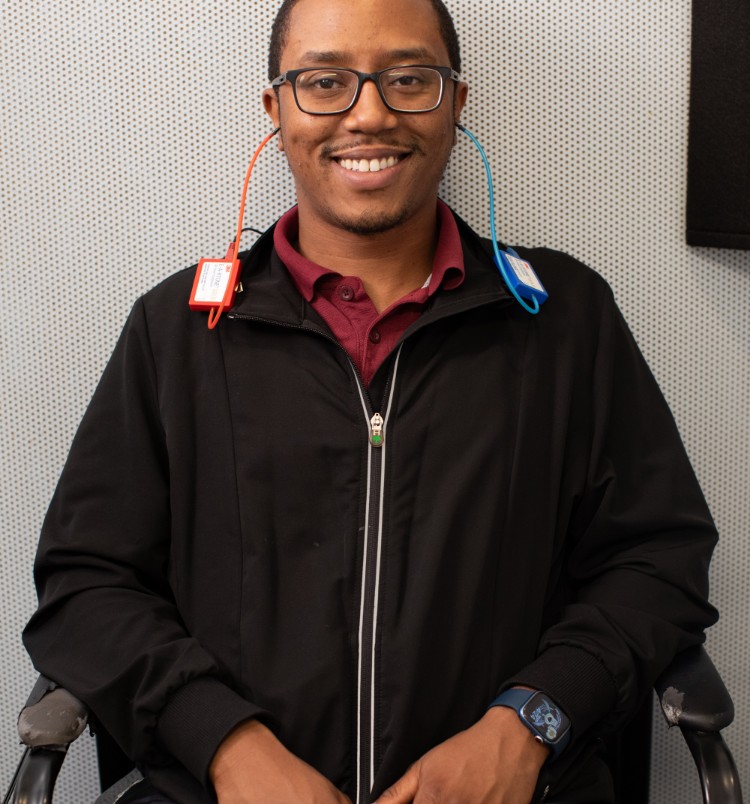
Patient Stories
-
"Very professional staff from the audiologist to the physician and the dr taught me something about hearing loss I was not aware of"
- Acrawl75 -
"Beyond expectations, I felt comfortable, at ease, and left without any questions unanswered, knowing that his approach to my situation was working and the right course of treatment."
- R.E. -
"I recommend this place. Excellent staff. Fully prepared specialist. A place where you breathe peace."
- Johanna G.
Less Sick Days, More Living

Read More about Audiology
-
The Hidden Health Crisis in Your Ears: What Ignoring Hearing Loss Could Cost You
Most people think of hearing impairment as just a nuisance—a little harder to follow conversations, maybe turning the TV ...
-
Ringing in Your Ears? When to See an ENT for Tinnitus
Tinnitus—the perception of ringing, buzzing, or hissing in your ears—affects over 50 million Americans. For some, it’s a ...
-
Hearing Aid Repair: Common Problems, Prevention, and Service
Hearing aids have become a common way of treating hearing loss in people. They enable you to hear sounds you weren’t ...